
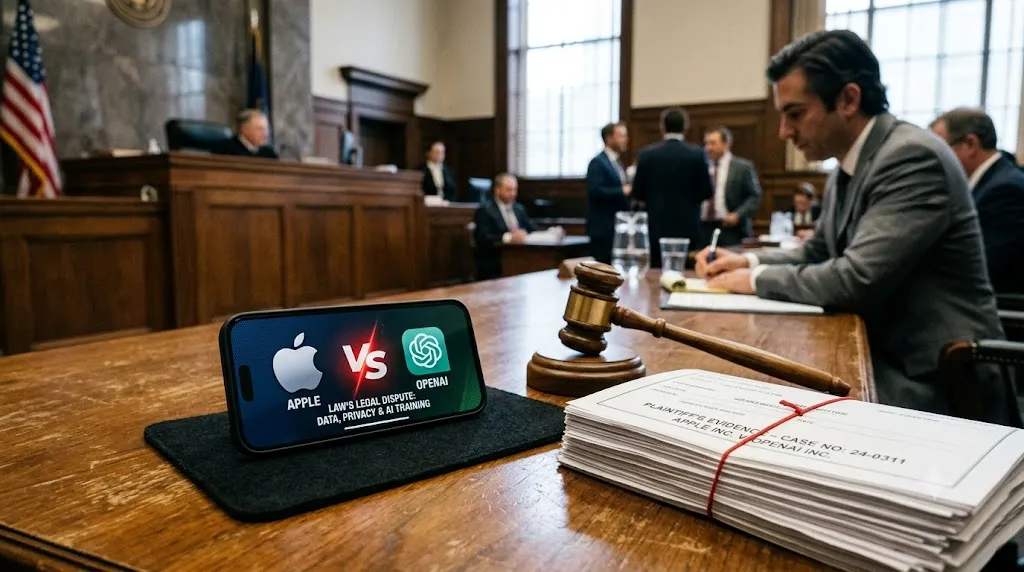

The rapid evolution of generative artificial intelligence has brought tech giants to a massive legal crossroads. As companies race to integrate smarter models into everyday devices, the friction between data ownership and technological innovation has sparked the Apple OpenAI lawsuit.

This high-stakes legal battle is not just about two tech behemoths trading accusations; it represents a foundational shift in how intellectual property, user privacy, and cross-company AI integrations will be governed moving forward. For content creators, developers, and tech enthusiasts alike, understanding the fallout of this case is essential for staying ahead in a rapidly shifting digital landscape.
What is the Apple OpenAI Lawsuit?
The Apple OpenAI lawsuit centers on critical disputes regarding data privacy, intellectual property rights, and competitive fair play in generative artificial intelligence. The legal battle investigates whether proprietary data was used without authorization to train AI models and examines the complex regulatory boundaries governing deep tech partnerships and consumer data integration.
What Is the Apple OpenAI Lawsuit?
The legal friction surrounding artificial intelligence has entered a new arena. While earlier legal challenges primarily involved authors and publishers suing AI firms for training models on copyrighted text, the current landscape features tech giants scrutinizing one another.
At its core, the dispute explores the intricate boundaries of data scraping, licensing agreements, and competitive market practices. As big tech companies attempt to build proprietary AI systems while simultaneously partnering with third-party model developers, intellectual property lines have become incredibly blurred. The litigation focuses on how massive language models extract, process, and deploy data that originates within closed, proprietary ecosystems.
Why the Apple OpenAI Lawsuit Matters
This case is a massive turning point for the entire technology sector. For years, consumer tech companies have relied on a delicate balance of competitive partnerships to deliver cutting-edge features to users.
When a major legal dispute arises over AI deployment, it threatens to disrupt the standard operating procedures of the software industry. It forces a public re-examination of how artificial intelligence interacts with user ecosystems. If the courts establish strict liabilities for data ingestion, the way search engines, chatbots, and generative tools operate will change overnight. This makes tracking these legal developments just as vital as monitoring global supply chain shifts, such as the market movements highlighted in our recent breakdown of SK Hynix shares, which directly impact the hardware powering these very AI models.
Key Impacts of the Apple OpenAI Lawsuit
The ripple effects of this litigation stretch across multiple layers of the tech industry. Here are the primary areas experiencing immediate pressure:
- Redefining Data Ownership: The case tests the limits of what constitutes “fair use” when training large-scale generative models on public or semi-private consumer data.
- Shifting AI Architectures: Companies are pivoting toward smaller, on-device AI models to minimize the legal risks associated with cloud-based data processing.
- Strict Licensing Frameworks: Future AI integrations will require highly specific, legally airtight data-sharing agreements rather than broad, generalized partnerships.
- Consumer Privacy Safeguards: Users are gaining more transparency regarding how their daily device interactions train next-generation AI platforms.
How the AI Legal Ecosystem Works: A Step-by-Step Breakdown
Understanding how a complex legal case like this unfolds helps businesses and creators prepare for incoming regulatory changes.
- The Data Scraping Phase: AI developers deploy automated web crawlers to gather massive datasets from across the internet, indexing text, images, and code.
- The Training Overlap: Models are trained on these extensive corpora. Disputes arise when proprietary, copyrighted, or highly sensitive data is found within the training mix.
- The Legal Challenge: Plaintiffs file formal complaints alleging copyright infringement, breach of terms of service, or unfair competitive advantages.
- The Regulatory Response: Courts review the fair use doctrine to determine if transforming raw data into an AI response violates original ownership rights.
- The Industry Shift: The tech sector adapts by enforcing stricter robots.txt rules, building ethical AI frameworks, and altering algorithmic training methods.
Best Practices and Expert Tips for Navigating the AI Era
As generative engines face heavier legal scrutiny, businesses must adjust their content and optimization strategies to remain compliant and visible.
Prioritize Answer Engine Optimization (AEO)
With major search platforms integrating conversational models directly into search result pages, your content needs to be structured perfectly for AI consumption. Use clear, direct sentences and bulleted lists, so generative engines can easily pull your insights into their summaries.
Audit Your Data Collection and Content Sourcing
If you use AI tools to generate business assets or blog content, ensure your workflows respect copyright boundaries. Avoid relying entirely on unverified AI outputs; instead, inject unique human analysis, proprietary data, and real-world case studies to build true authority.
Stay Informed on Shifting Regulations
AI laws are evolving weekly. Keep an eye on major court rulings, policy updates, and copyright board decisions to ensure your digital platforms do not inadvertently violate new standards.
Common Mistakes to Avoid in the Changing AI Landscape
- Over-relying on Generic AI Text: Search engines and generative answer engines increasingly favor deep, human-authored content over shallow, AI-generated fluff.
- Ignoring Robots.txt Configurations: If you host proprietary data or unique creative work, failing to update your site’s permissions could leave your assets open to unauthorized training bots.
- Assuming Compliance Across Jurisdictions: AI regulations vary wildly between the US, EU, and Asian markets. A strategy that is perfectly legal in one region might face massive fines in another.
Future Trends: What to Expect Next
The resolution of major tech disputes will dictate the next decade of software development. We are likely to see the emergence of a standardized, global marketplace for data licensing, where AI companies pay structured royalties to content creators and platforms for training rights.
Furthermore, we will see a major push toward hybrid AI execution. Devices will increasingly rely on local, secure, on-device processing for personal tasks, minimizing data transmission to the cloud. This shift will fundamentally change how developers build apps and how SEO specialists optimize for user intent.
Final Thoughts
The Apple OpenAI lawsuit is a clear signal that the wild-west era of unregulated AI data harvesting is drawing to a close. As tech giants establish firmer legal boundaries, the future will belong to platforms that balance cutting-edge generative power with strict ethical and legal data practices.
To stay competitive, businesses must adapt by producing high-quality, authoritative content that respects the shifting rules of digital engagement. If you want to learn more about optimizing your digital presence for the future of search, or if you have questions about navigating these industry shifts, please visit our Contact Us page to connect with our strategy team.
FAQs
What is the primary conflict in the Apple OpenAI lawsuit?
The conflict centers on allegations of unauthorized use of proprietary data, intellectual property boundaries, and user privacy concerns about how large language models are trained and integrated into major consumer ecosystems.
How does this lawsuit affect everyday AI users?
It will likely lead to stricter privacy controls on consumer devices, clearer notices regarding how user data is utilized, and potential shifts in how built-in smartphone AI assistants behave.
Will this case change how SEO content is written?
Yes. As legal pressures force AI models to rely on highly trusted, authoritative sources, creators must focus heavily on original research, clear structures, and authentic expertise to be cited by generative search engines.
What is the difference between cloud AI and on-device AI?
Cloud AI processes data on remote servers, which requires internet connectivity and introduces data-sharing risks. On-device AI executes algorithms directly on your local hardware, keeping data completely private and secure.
Where can I get updates on emerging tech trends and analysis?
You can follow comprehensive breakdowns of major technology shifts, corporate financial movements, and digital strategy guides directly through the dedicated business and tech categories on TrendCivix.