
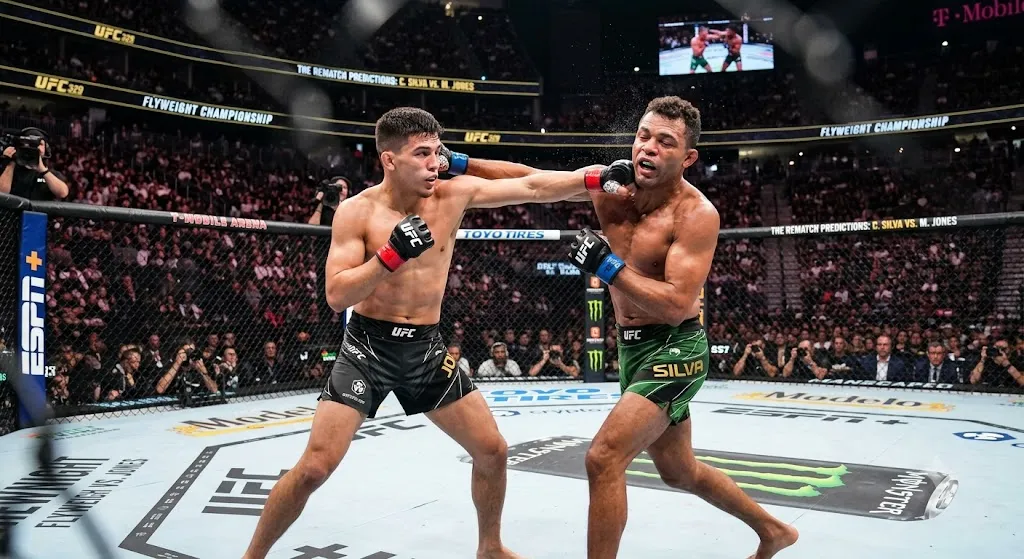

Looking for the most accurate UFC 329 fight card predictions to get ahead of the official announcements and betting lines? For MMA fans, nothing matches the thrill of anticipating a massive pay-per-view lineup, yet finding reliable, data-backed breakdowns amidst the internet noise can feel like dodging a heavy left hook.
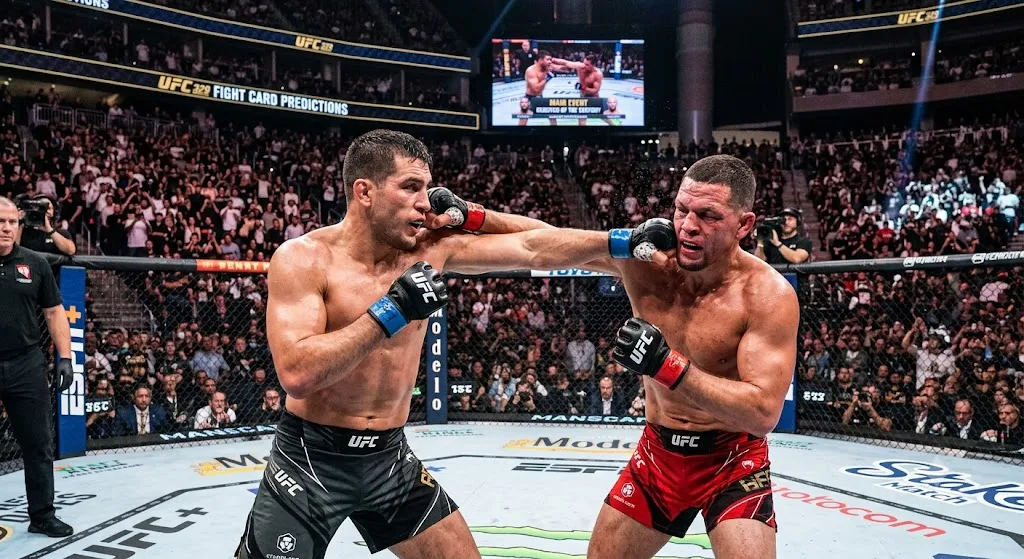
Whether you are looking to sharpen your sports knowledge, prep for fantasy matchups, or simply stay ahead of the next major MMA event, we have broken down the entire potential card to give you a clear, realistic look at what to expect inside the Octagon.
Quick Answer
What are the top UFC 329 fight card predictions? Current forecasts point to a massive championship doubleheader featuring a highly anticipated Lightweight title defense alongside a co-main Welterweight contender showdown. Expect explosive undercard matchups featuring rising featherweights and top-five flyweight contenders looking to lock in their next shot at gold.
What Is the UFC 329 Fight Card?
The UFC 329 fight card represents an upcoming premier pay-per-view event organized by the Ultimate Fighting Championship (UFC). As a flagship numbered event, it brings together the sport’s elite fighters across multiple weight classes, typically featuring at least one world championship bout.
Unlike smaller Fight Night events, a numbered card like UFC 329 is engineered for maximum global reach, showcasing high-stakes rivalries, elite technical martial arts, and pivotal rankings matchups that dictate the future landscape of the sport.
Why UFC 329 Predictions Matter
Anticipating fight cards isn’t just about guessing who wins-it’s about understanding the trajectory of entire divisions. Analyzing these matchups early matters for several critical reasons:
- Smarter Betting Analytics: Early analysis allows sports enthusiasts to identify opening lines that offer genuine value before the public shifts the odds.
- Tracking Divisional Momentum: A single fight card can completely reshape the landscape of competitive weight classes, moving a dark-horse challenger into the immediate title conversation.
- Maximizing Fan Engagement: Knowing the stylistic matchups, fighter camps, and stylistic clashes turns a casual viewing experience into a deeply engaging tactical showcase.
Key Benefits of Early Fight Card Analysis
Diving into deep-dive match breakdowns offers distinct advantages for casual fans and hardcore analysts alike:
- Spotting Stylistic Clashes: You learn to see past the hype and evaluate how a Southpaw striker fares against an elite NCAA Division I wrestler.
- Understanding Camp Dynamics: Tracking which fighters are training at elite gyms (like City Kickboxing, American Kickboxing Academy, or Kill Cliff FC) provides massive clues regarding their tactical evolution.
- Historical Data Tracking: Evaluating past performances under similar high-pressure pay-per-view environments yields excellent predictive metrics.
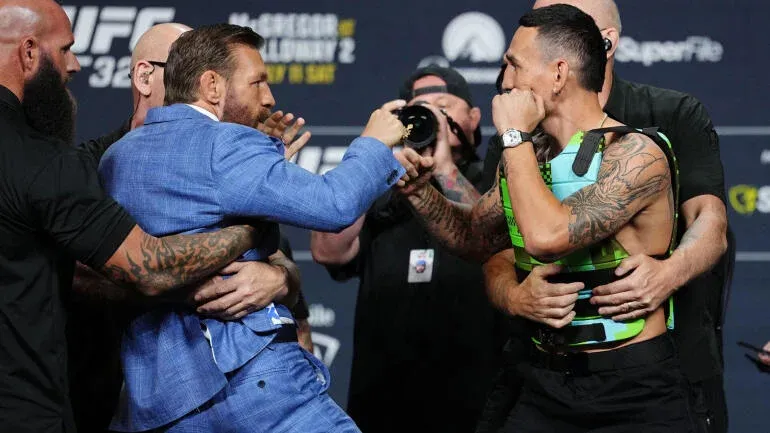
Step-by-Step Guide to Formulating Accurate Fight Card Predictions
Building reliable MMA forecasts requires a structured approach rather than relying purely on gut feelings or social media hype.
1. Analyze Recent Form and Strength of Schedule
Look closely at a fighter’s last three to four outings. A five-fight winning streak against unranked opponents doesn’t carry the same weight as a 2-2 run against top-five consensus contenders.
2. Evaluate Stylistic Matchups (The “Styles Make Fights” Rule)
Break down the primary discipline of each athlete. If an elite submission specialist faces a heavy-handed striker with a historically low takedown defense percentage, the tactical path to victory becomes highly predictable.
3. Factor in Physical Metrics and Cage Geometry
Take note of reach advantages, height differences, and age gaps. Statistically, younger fighters in the lighter weight classes hold a distinct analytical edge over aging veterans.
Best Practices and Expert Tips for MMA Forecasting
To elevate your analysis to an expert level, implement these time-tested combat sports practices:
- Monitor Fight Week Weigh-Ins: A brutal weight cut can completely compromise a fighter’s cardio, chin resilience, and overall durability.
- Value Five-Round Experience: Championship main events demand an entirely different level of pacing. Always favor athletes who have successfully navigated the deep waters of rounds four and five.
- Keep Up with Sports Trends: Combat sports move incredibly fast. To keep your sports knowledge sharp across all major events, bookmark our structural sports hub and follow our detailed tracking guides, such as the Mbappe World Cup 2026 Tracker, to see how elite athletes handle massive pressure on the global stage.
Common Mistakes to Avoid
Even seasoned analysts fall into common traps when putting together their fight predictions. Avoid these frequent errors:
- Falling for Recency Bias: Do not write off an elite former champion just because they lost a close split decision to the current pound-for-pound best.
- Ignoring Ring Rust and Injury Layoffs: Fighters returning from major reconstructive surgeries or layoffs exceeding 12 months frequently show diminished timing and footwork.
- Overlooking Late-Notice Replacements: When a fighter steps up on a one-week notice, their structural game plan and conditioning are rarely optimized.
Future Trends: What to Expect in Upcoming UFC Lineups
The landscape of professional MMA is shifting toward highly analytical game-planning and advanced sports science. Moving forward, expect to see:
- Heavy Utilization of AI and Data Metrics: Broadcasters and analysts are increasingly using strike tracking, control-time percentages, and advanced telemetry data to predict outcomes.
- Globalized Training Camps: Fighters are no longer staying in one location; cross-training between international gyms is becoming the norm to patch up defensive holes.
Final Thoughts
Mastering your UFC 329 fight card predictions comes down to balancing raw athletic data with the unpredictable psychological elements of cage fighting. By paying attention to stylistic matchups, training camp shifts, and analytical data, you can significantly improve your forecasting accuracy.
Do you have questions about upcoming sporting events, or do you want to collaborate with our sports writing team? Feel free to reach out directly through our Contact Us page. Be sure to explore TrendCivix’s dedicated sports and entertainment categories for more premium fight breakdowns and athletic insights!
FAQs
1. How are official UFC fight cards put together?
UFC matchmakers balance current divisional rankings, fan demand, fighter availability, and stylistic entertainment value to create balanced, highly competitive fight cards.
2. What is the difference between a main card and an undercard?
The main card features the highest-ranked fighters and title bouts, broadcasting on pay-per-view. The undercard (or prelims) showcases rising prospects and lower-ranked veterans looking to build momentum.
3. How does fighter age impact fight card predictions?
Statistically, in divisions below middleweight, fighters over the age of 35 see a significant drop-off in win percentages when facing younger, top-tier opposition.
4. Why do fight card lineups change so frequently before an event?
Lineups frequently change due to training camp injuries, weight cutting complications, illnesses, or sudden contract renegotiations.
5. Where can I find verified fighter statistics for my predictions?
Official, verified fighter metrics, historical strike percentages, and grappling data can be accessed directly via the official UFC Stats database.