
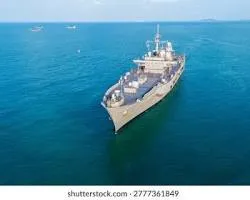
US carries out fresh strikes against Iran after a commercial tanker was hit in the strategic Strait of Hormuz, rapidly escalating military hostilities. This confrontation marks a severe operational collapse of recent diplomatic efforts and threatens global energy corridors. As international naval forces brace for further instability, the confrontation stands as the most severe threat to maritime trade in the region this year.
What happened in the Strait of Hormuz? Following explosive drone attacks on commercial cargo ships, the US military executed precision counter-strikes targeting drone storage, coastal radars, and missile sites to protect international freedom of navigation.
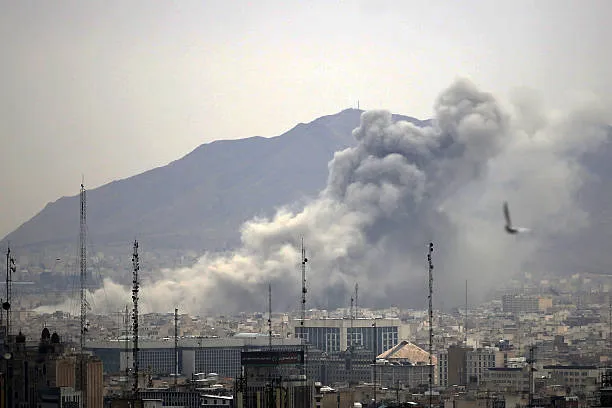
What Is the Strait of Hormuz Escalation?
The current crisis represents a sharp collapse of a fragile interim truce. In early June 2026, both nations signed a 14-point memorandum of understanding (MoU) aimed at pausing hostilities to negotiate long-term regional stability and safe maritime transit.
However, the peace framework fractured when a container ship, the M/V Ever Lovely, was struck by an explosive drone while exiting the Strait of Hormuz. Hours after Washington condemned the act, the US carried out fresh strikes against Iran as an initial retaliatory measure.
Instead of an operational de-escalation, maritime forces responded the following morning by launching an additional attack drone at the M/T Kiku, a massive crude oil tanker. This second attack prompted a significantly larger, multi-wave American counter-offensive involving Navy and Air Force fighter jets.
Why the Hormuz Escalation Matters
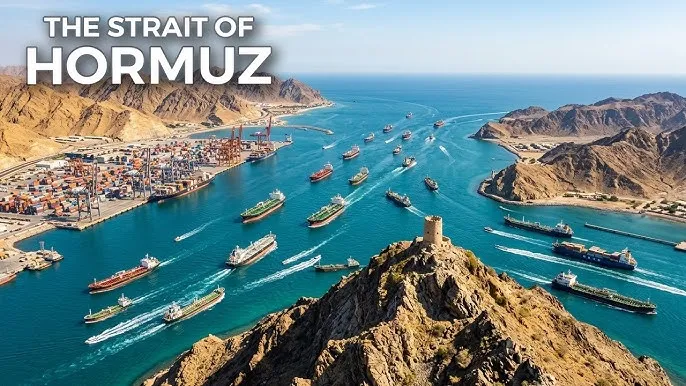
The Strait of Hormuz is widely recognized as the world’s most critical energy transit choke point. It forms a narrow maritime gateway through which roughly one-fifth of global petroleum products flow daily.
- Energy Market Shockwaves: Following the confirmation of the strikes, international benchmark Brent crude oil prices immediately jumped, climbing rapidly toward new weekly highs.
- Collapse of Diplomacy: The flare-up severely undermines the diplomatic efforts of the current US administration, signaling that violence will be met with decisive defense.
- Logistical Halts: The International Maritime Organization (IMO) was forced to abruptly pause its coordinated framework to safely evacuate merchant vessels stranded in the region.
Key Strategic Elements of the US Response
The military response was designed to systematically strip away offensive capabilities along the coastline. The targeted campaign hit specific operational assets:
- Drone and Missile Storage Facilities: Underground and coastal depots housing the specific one-way attack drones used to harass commercial shipping lanes.
- Coastal Surveillance and Radar Networks: Radar systems used to track, target, and coordinate strikes against civilian merchant fleets.
- Reconstituted Air Defense Systems: Surface-to-air missile batteries that had been quietly rebuilt along coastal zones.
Timeline of the Hostilities
To understand how rapidly this conflict escalated, it is essential to trace the exact sequence of events over the multi-day period that upended regional security.
- June 25, 2026: The cargo vessel M/V Ever Lovely is struck on its upper deck by a one-way attack drone while navigating near Oman.
- June 26, 2026: Washington calls the attack a violation of the interim ceasefire. Hours later, initial counter-strikes hit coastal radar installations.
- June 27, 2026 (Morning): Another drone hits the supertanker M/T Kiku, damaging its bridge while it carries over 2 million barrels of crude oil.
- June 27, 2026 (Evening): The US carries out fresh strikes against Iran, targeting 10 distinct military sites, command nodes, and active air defense batteries across southern Iran.
Best Practices for Maritime Shipping Risk Mitigation
For global shipping firms, logistics planners, and supply chain managers, navigating the Persian Gulf requires immediate, dynamic adjustment to security protocols.
- Conduct Independent Vulnerability Audits: Do not rely strictly on generalized transit permissions.
- Coordinate with Regional Transit Authorities: Before approaching the entry points of the Gulf of Oman, establish direct communication lines with maritime trade operations to receive live routing maps.
- Utilize Alternate Coastal Tracks: Avoid the central and northern channels bordering volatile waters completely, ensuring that tracking transmitters remain active.
- Implement High-Alert Anti-Drone Watches: Instruct deck crews to maintain 24-hour visual lookouts specifically calibrated for small, low-flying objects.
Common Mistakes to Avoid in Volatile Theaters
In times of heavy military friction, standard cargo management errors can lead to catastrophic operational losses. Commercial operators must avoid several key pitfalls:
- Assuming Ceasefire Agreements Equal Total Safety: Treaties can dissolve within minutes. Operating on the assumption that a signed Memorandum of Understanding guarantees smooth sailing often leads to a dangerous relaxation of security.
- Disabling AIS Transponders Erroneously: While turning off identification systems is sometimes used to hide from pirate elements, doing so in an active state-level military conflict can cause naval defense groups to misidentify a commercial vessel as an adversarial threat.
- Ignoring Pre-Incident Security Warnings: Disregarding regional alerts places commercial crews in direct physical jeopardy.
Future Trends: What to Expect Next
The near-term outlook for the region points toward a highly volatile, unpredictable security environment. Observers should keep a close eye on three developing indicators:
- Retaliatory Asymmetric Actions: Because direct conventional engagement is highly disadvantageous, regional forces may pivot to asymmetric tactics, including utilizing proxy groups or deploying sea mines.
- Soaring Insurance and Freight Premiums: War risk insurance rates for vessels traveling through the gulf are projected to climb significantly, raising the landed cost of imported goods.
- The Fate of Technical Diplomacy: If formal lines of communication break down entirely, a return to a sustained state of open military blockades is a distinct possibility.
FAQs
Why did the US launch strikes against Iran?
The US launched precision strikes to neutralize military sites after forces used loitering attack drones to strike civilian commercial cargo ships and oil tankers transiting international waters.
Which commercial ships were targeted in the recent attacks?
Two ships were hit: the cargo vessel M/V Ever Lovely on June 25, and the supertanker M/T Kiku on June 27, which was transporting more than two million barrels of crude oil.
What targets did the military hit?
Aircraft successfully targeted missile storage locations, drone assembly facilities, coastal surveillance radar installations, and active surface-to-air defense networks.
How has this conflict affected global oil prices?
Following the secondary strikes and the attack on the oil tanker, international Brent crude benchmarks surged, reflecting market anxieties over potential disruptions to energy transit.
Is the Strait of Hormuz still open for commercial shipping?
The strait remains operationally open, but the International Maritime Organization (IMO) has temporarily paused its official vessel evacuation framework until regional security guarantees can be fully re-verified.
Final Thoughts
The sharp military exchange in the Strait of Hormuz reminds the global community of how deeply vulnerable international trade remains to localized political friction. As the US military cements its heavy presence to enforce freedom of navigation, the true test lies in whether deterrence will hold.
For updates on breaking global events, detailed geopolitical breakdowns, and shifting macro trends, stay tuned to our political analysis logs. If you represent a corporate entity that requires dedicated tracking or wish to contribute an expert analytical perspective to our platform, please feel free to contact TrendCivix directly to connect with our editorial team.