

The latest FIFA World Cup 2026 stats are turning out to be an absolute goldmine for sports historians, tactical analysts, and casual football fans alike Just days after analyzing how a rejuvenated Seleção reminded us of beautiful football in our coverage of Brazil’s return to form, the final matchday of the group stage has completely rewritten the record books.
From blistering individual dominance to romantic underdog triumphs, this tournament is shattering historical baselines. If you are tracking the most impactful trends in modern sports analytics, today’s statistical anomalies deliver concrete proof that football’s competitive landscape is evolving faster than ever.
What are the historic milestones from the latest FIFA World Cup 2026 matches?
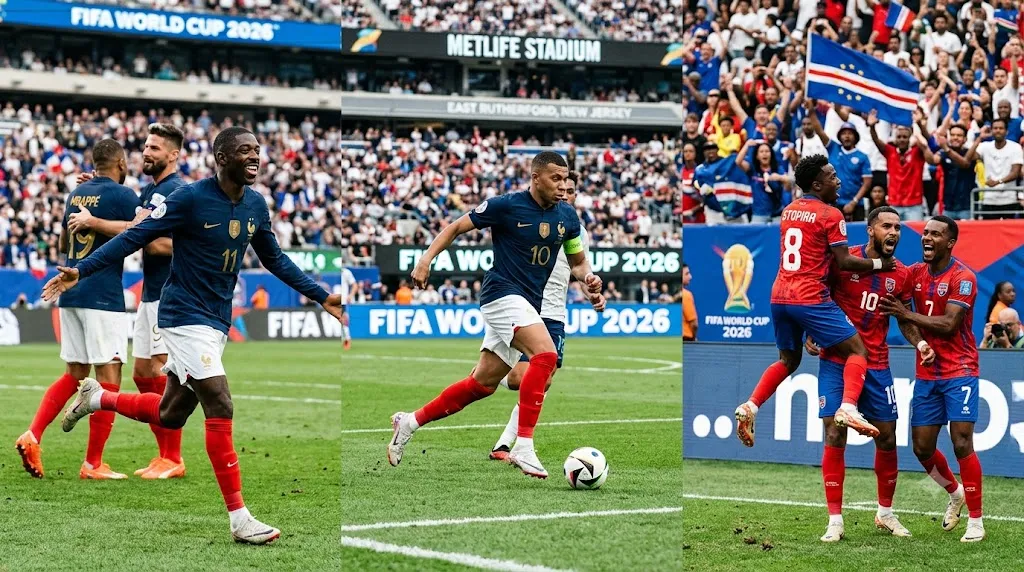
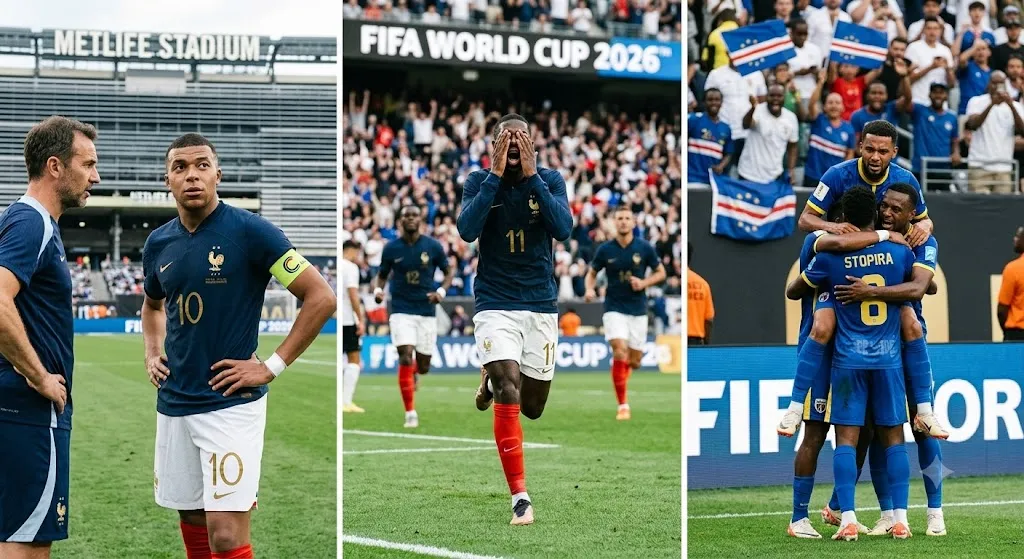
France’s Ousmane Dembélé became the first player since Ronaldo in 2002 to score a first-half hat-trick in a pivotal World Cup fixture, powering a 4-1 win over Norway. Simultaneously, Kylian Mbappé joined Lionel Messi and Miroslav Klose in elite all-time scoring tiers, while tournament debutants Cape Verde officially became the smallest country in history to reach the World Cup knockout rounds.
What Is the Significance of Today’s FIFA World Cup 2026 Stats?
In sports content creation and modern digital analysis, tracking record-breaking data goes far beyond superficial numbers. The metrics established today provide profound insight into high-performance physical conditioning, tactical structural shifts, and the closing competitive gap between elite European heavyweights and rising global football academies.
When we break down these milestones, we are looking at historic data points:
- The Dembélé Phenomenon: A masterclass in transitional winger efficiency.
- The Mbappé Continuity: Sustained output that aligns generational talent with traditional world-class icons.
- The Cape Verde Breakthrough: Structural evidence that the expansion to a 48-team tournament layout breathes legitimate life into global football development.
Why These Tournament Milestones Matter
Understanding the deeper impact of these historical milestones allows us to appreciate the shifting paradigms of international football.
1. Elite Winger Prolificacy is Evolving
For decades, traditional wingers were judged strictly by their crossing volume and touchline spacing. Ousmane Dembélé’s masterclass against a rugged Norway defensive low-block highlights a fundamental shift. Modern elite wingers are acting as inverted inside-forwards with supreme central presence, demanding high conversion rates under pressure.
2. Longevity and Volume Alignment
When Kylian Mbappé aligns his structural scoring numbers alongside Miroslav Klose and Lionel Messi, it signals a physical standard previously deemed impossible for speed-reliant attackers. It shows that today’s training infrastructures preserve explosive performance across multiple international tournament iterations.
3. The 48-Team Expansion Strategy is Validated
Critics initially argued that expanding the tournament structure would dilute competitive quality. Cape Verde’s qualification completely dismantles that theory. The inclusion of diverse tactical frameworks from smaller nations adds strategic unpredictability and rich narrative depth that traditional regional powers failed to anticipate.
Key Benefits of Tracking World Cup Analytics
For trainers, enthusiasts, and data-focused analysts, studying these distinct metrics offers several advantages:
- Informed Tactical Analysis: Pinpoints how tactical systems isolate elite wingers for high-value scoring chances.
- Enhanced Performance Benchmarking: Demonstrates the workload management needed to maintain top performance during compact tournament formats.
- Global Talent Recognition: Highlights under-scouted regions that offer incredible value in global soccer markets.
Detailed Breakdown of the Historic Milestones
Ousmane Dembélé: Mirroring the Phenomenon
Dembélé’s first-half blitz against Norway was nothing short of legendary. Scoring three goals inside the opening 32 minutes, he achieved a feat not seen since Ronaldo Luis Nazário de Lima dominated defensive structures in 2002.
| Metric | Ousmane Dembélé (vs Norway) | Tactical Application |
| Goals Scored | 3 (Mins: 7′, 20′, 32′) | Elite finishing efficiency from inside the box |
| Minutes Played | 65′ | Controlled workload management for knockouts |
| Whoscored Rating | 9.24 | Absolute offensive dominance against low blocks |
Mbappé Enters the Pantheon
By securing his latest tournament goals, Kylian Mbappé has formally embedded his name into the statistical tier occupied exclusively by Miroslav Klose and Lionel Messi. This consistency places him on a direct trajectory to challenge the all-time tournament scoring record before his veteran cycles even begin.
Cape Verde: The Giant Killers
With a population of just over 500,000 residents, Cape Verde defied all mathematical models to secure a historic spot in the Round of 32. Their defensive organization and rapid transitional setup allowed them to outpace established programs, locking in a future date against Argentina and proving that tactical discipline can overcome vast structural deficits.
Best Practices for Analyzing International Soccer Trends
If you are a coach, fantasy developer, or advanced enthusiast trying to project upcoming knockout results, implement these analytical strategies:
- Prioritize Game-State Context over Raw Volume: A hat-trick scored during an intense qualification battle holds triple the analytical weight of goals scored in low-stakes situations.
- Track Off-the-Ball Movement Indicators: Analyze how deep runs from supporting players open up channels for wingers like Dembélé to exploit.
- Examine Defensive Density Resilience: Look at how small nations shift from 5-4-1 defensive blocks to 3-4-3 transitions to stun overconfident opponents.
Common Mistakes to Avoid in Soccer Analytics

- Over-indexing on Historical Team Reputation: Assuming traditional football giants will easily glide past disciplined, organized, smaller tactical units.
- Ignoring Fatigue and Travel Layout Factors: Failing to account for how a 48-team cross-continental setup impacts player recovery cycles.
- Focusing Solely on the Primary Scorer: Missing the tactical contribution of supporting midfielders who execute key ball-recovery phases.
Future Trends: What to Expect in the Knockout Rounds
As the competition transitions into a high-stakes single-elimination bracket, expect elite teams to consolidate their tactical approaches. High-pressing systems will likely be paired with highly targeted defensive structures to limit explosive transitions from players like Mbappé.
Concurrently, Cinderella stories like Cape Verde will face ultimate tests of tactical endurance as elite managers adjustments leave less room for strategic error.
FAQs
What historic record did Ousmane Dembélé break in the 2026 World Cup?
Ousmane Dembélé became the first player since Brazilian icon Ronaldo in 2002 to score a decisive first-half hat-trick in a highly crucial World Cup group finale, netting three goals within 32 minutes against Norway.
Which players did Kylian Mbappé join in the all-time scoring tiers?
Kylian Mbappé joined Lionel Messi and Miroslav Klose in elite all-time scoring tiers, cementing his position among the most efficient and consistent tournament goalscorers in international football history.
Why is Cape Verde’s qualification considered historical?
Cape Verde made history by becoming the smallest nation by population ever to qualify for a FIFA World Cup knockout round, securing their place in the Round of 32 during their tournament debut.
How does the 48-team expansion affect smaller football nations?
The expansion provides direct tournament access to developing football regions, allowing tactically disciplined teams like Cape Verde to compete on the world stage and prove their structural capability against traditional powers.
Where can I find more tactical breakdowns of recent matches?
You can follow comprehensive matchday analyses, statistical charts, and structural sports evaluations directly on TrendCivix’s dedicated sports category page.
Final Thoughts
The unique milestones generated in this phase reinforce why international football remains unmatched in its global drama and analytical depth. Watching individual stars step into the shoes of past legends while new nations forge their own legacies highlights the incredible evolution of the sport.
As we look forward to the knockout stages, stay connected with our comprehensive coverage across various cultural and athletic niches. If you have any inquiries regarding our analytical methodology, feel free to reach out to our team directly through our dedicated TrendCivix Contact Page to collaborate or share insights.