
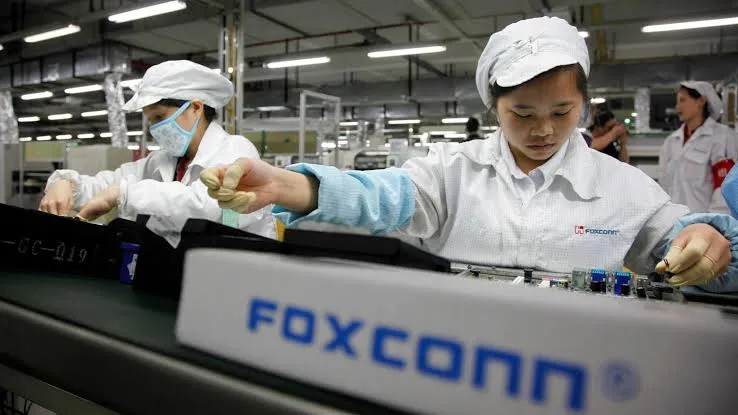

The global tech landscape is shifting at a breakneck pace, and India smartphone manufacturing is now leading the charge by locally producing premium flagship devices like Apple’s latest iPhones and Samsung’s Galaxy series.
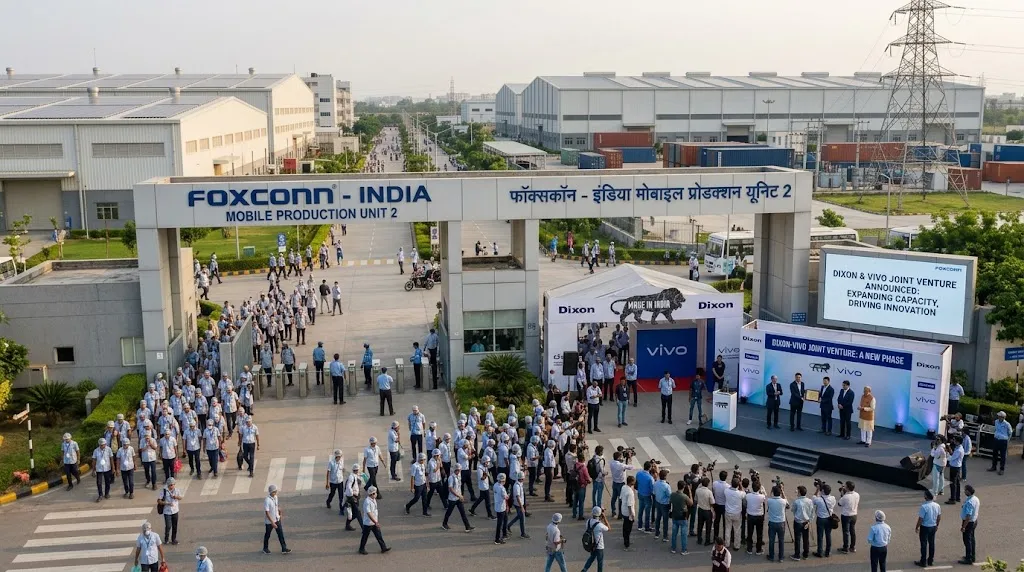
If you have ever wondered how a single nation transitioned from importing nearly all of its mobile devices to becoming a massive global export hub, you are looking at one of the most significant tech transformations of our time.
Quick Answer
India’s smartphone manufacturing has grown into a global powerhouse, driven by the “Make in India” initiative and Production Linked Incentives (PLI). By leveraging AI-driven automation and strategic partnerships with contract manufacturers to build premium flagship iPhones and Samsung devices, India is now the world’s second-largest mobile producer, drastically reducing import dependency.
What Is India Smartphone Manufacturing?
At its core, India smartphone manufacturing refers to the localized ecosystem of assembling, producing, and exporting mobile devices within Indian borders. Years ago, the region primarily handled low-end assembly or completely knocked-down (CKD) kits imported from abroad.
Today, the landscape is entirely different. It encompasses:
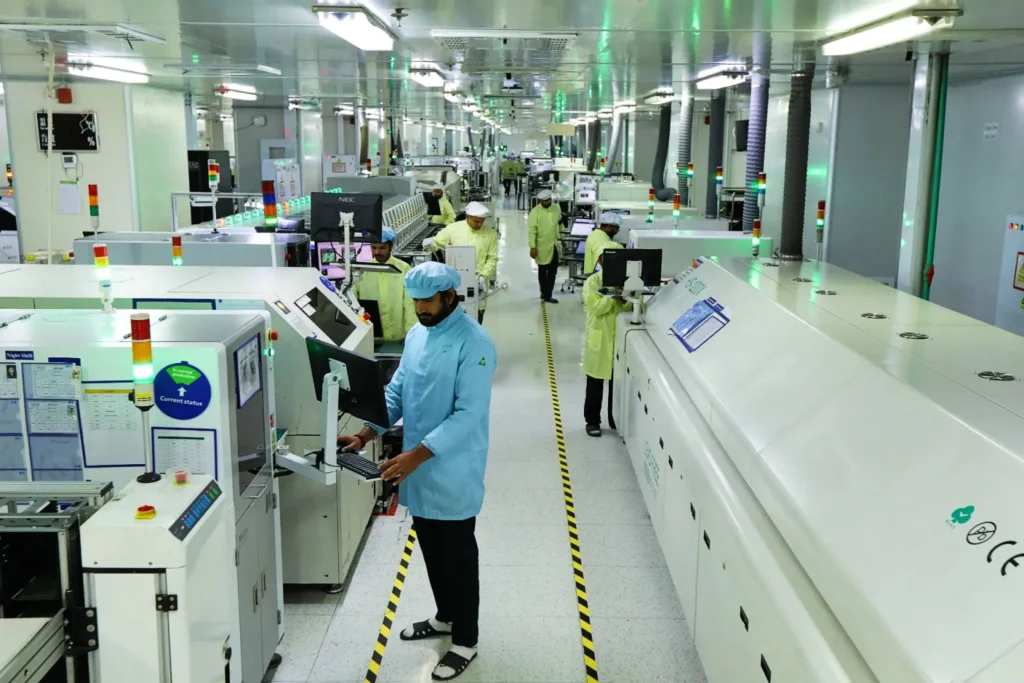
- Advanced surface-mount technology (SMT) lines.
- Localized component manufacturing (such as printed circuit boards, batteries, and camera modules).
- High-end facility operations utilized by the world’s most recognizable tech brands.
This transition from basic assembly to deep, full-scale manufacturing represents a massive leap in technical capability and infrastructure development.
Why India Smartphone Manufacturing Matters
The global electronics industry learned a harsh lesson about putting all its eggs in one basket during recent supply chain disruptions. Tech giants realized that relying on a single manufacturing hub leaves them incredibly vulnerable.
[Global Supply Chain Vulnerabilities]
│
▼
[China+1 Strategy Diversification]
│
▼
[India Smartphone Manufacturing Hub]
This realization birthed the “China+1” strategy—a concerted effort by global brands to diversify their production bases. Thanks to robust government policies, a massive domestic consumer market, and a highly skilled workforce, India emerged as the ideal alternative. This shift isn’t just about making phones; it is about rewriting the geopolitics of global technology.
Key Benefits of India Smartphone Manufacturing
The rapid scaling of this sector offers immense benefits, impacting everything from local employment to international trade dynamics:
- Economic Growth & Job Creation: Millions of direct and indirect jobs have been created across factories, logistics, and engineering sectors, empowering a young demographic.
- Reduced Import Reliance: By producing devices locally, the country has significantly cut down its electronics import bill, stabilizing its trade balance.
- Booming Tech Exports: Devices made in India are no longer just for local consumers; they are being shipped to premium markets in Europe, the Middle East, and the United States.
- Technological Spillovers: The influx of global manufacturing standards has forced local suppliers to upgrade their quality, fostering a culture of high-tech innovation.
How the Mobile Manufacturing Ecosystem Works
Building a world-class manufacturing hub from scratch requires a seamless blend of policy, capital, and technology. Here is a step-by-step look at how the ecosystem operates effectively today:
1. Policy Incentives (The Foundation)
The journey begins with government initiatives like the Production Linked Incentive (PLI) scheme. This program rewards companies with financial incentives based on their incremental sales, attracting massive investments from global contract manufacturers like Foxconn, Pegatron, and Wistron (now Tata).
2. Setting Up AI-Driven Mega Factories
Modern manufacturing relies heavily on automation and Artificial Intelligence (AI). Factories deploy AI algorithms to optimize assembly lines, predict machinery maintenance before breakdowns occur, and run automated optical inspection (AOI) systems to check for micro-defects in smartphone circuit boards.
3. Sourcing and Component Localization
While complete localization takes time, factories are steadily moving beyond assembly. Local production of sub-components, structural mechanics, and packaging materials ensures that a higher percentage of the phone’s value is created right within the country.
4. Global Distribution and Export
Once passing strict quality controls, the finished smartphones move through advanced logistics networks. Whether it’s the latest flagship device or a budget-friendly model, these units are shipped out to satisfy both massive domestic demand and international retail markets.
Best Practices and Expert Tips for the Industry
For businesses, investors, and suppliers looking to integrate into the India smartphone manufacturing value chain, keeping these strategies in mind is essential:
Focus on Deep Localization: True profitability lies in manufacturing high-value components locally rather than merely assembling imported parts. Capitalize on local component ecosystems early.
- Invest in AI and Automation: To compete with established global hubs, factories must maximize efficiency. Integrating AI-powered quality checks ensures error-free production at scale.
- Prioritize Skill Development: As manufacturing shifts toward complex processes, continuous training programs for the workforce are vital to maintain global quality standards.
- Build Resilient Logistics: Ensure your supply chain has built-in redundancies to avoid bottlenecks at ports or local transit lines.
Common Mistakes to Avoid
Despite the massive success, navigating a rapidly growing tech ecosystem comes with its own set of challenges. Here are a few pitfalls to watch out for:
- Ignoring Infrastructure Bottlenecks: Assuming that setting up a factory guarantees smooth operations is a mistake. Power consistency, efficient waste management, and robust transport links must be verified beforehand.
- Over-Reliance on Single-Source Sub-components: Relying entirely on imported chips or specific raw materials can halt production if geopolitical tensions or shipping delays arise.
- Neglecting Environmental and Sustainability Standards: As global scrutiny on e-waste and carbon footprints increases, failing to implement green manufacturing practices can hurt international export eligibility.
Future Trends: The Dixon-Vivo Joint Venture and Beyond
The future of India smartphone manufacturing looks incredibly promising, driven by deep technological integration and evolving market dynamics.
┌─────────────────────────────────────────────────────────┐
│ FUTURE TRENDS │
├────────────────────────────┬────────────────────────────┤
│ AI-Driven Smart Plants │ Value-Chain Escalation │
│ • Machine learning QA │ • Dixon-Vivo 51% JV Model │
│ • Predictive logistics │ • Localized design labs │
└────────────────────────────┘────────────────────────────┘
The landscape is officially shifting from contract assembly to strategic corporate partnerships. In a major milestone, the Indian government cleared a massive joint venture between Indian electronics giant Dixon Technologies and Chinese smartphone maker Vivo under Press Note 3 regulations. With Dixon holding a 51% controlling stake, this localized corporate structure effectively mitigates regional trade risks while scaling up local volume by an estimated 20 to 22 million units annually.
We are moving into an era of fully smart factories, where machine learning models handle everything from inventory management to custom assembly variations on the fly. Furthermore, the local industry is steadily moving up the value chain toward domestic semiconductor assembly, testing, and packaging (ATMP) facilities.
This will ensure that the actual silicon powering these devices is processed locally, mirroring the strategic structural evolutions we observed in global corporate shifts, much like the transformations discussed in our analysis of the recent Amazon bond sale. Over time, India will transition from a pure production hub to a primary design and engineering epicenter for global tech.
Final Thoughts
The meteoric rise of India smartphone manufacturing is a testament to what happens when forward-thinking policy meets global market demand. By embracing AI automation, fostering massive manufacturing ecosystems, and lowering entry barriers for global giants, the region has firmly secured its spot as a tech manufacturing superpower.
As this landscape evolves, staying informed is your best asset. If you are looking to collaborate, have insights to share, or want to explore how these tech shifts impact your business, feel free to visit our AI category page or reach out directly via our Contact Us page.
FAQs
How has India smartphone manufacturing impacted global supply chains?
It has provided a viable alternative to traditional manufacturing hubs, allowing global brands to diversify their production lines, mitigate geopolitical risks, and establish a more resilient, multi-country supply network.
What is the Dixon-Vivo joint venture in India smartphone manufacturing?
It is a government-approved partnership where India’s Dixon Technologies holds a 51% stake and Vivo holds 49%. This landmark structure allows local management to handle high-volume smartphone manufacturing, adding over 20 million units annually to local production capacity.
Which major global brands participate in smartphone manufacturing in India?
Industry leaders like Apple, Samsung, Vivo, and various prominent global brands manufacture significant portions of their devices in India through major contract manufacturers like Foxconn, Pegatron, and Dixon.
What is the PLI scheme in relation to mobile manufacturing?
The Production Linked Incentive (PLI) scheme is a government initiative that offers financial incentives to companies based on the incremental sales of products manufactured within local facilities, boosting domestic production.
Will India start designing smartphones locally, or just manufacturing them?
The ecosystem is actively moving up the value chain. While manufacturing and assembly remain dominant, many brands are expanding their local R&D centers to include smartphone design, software optimization, and hardware engineering.