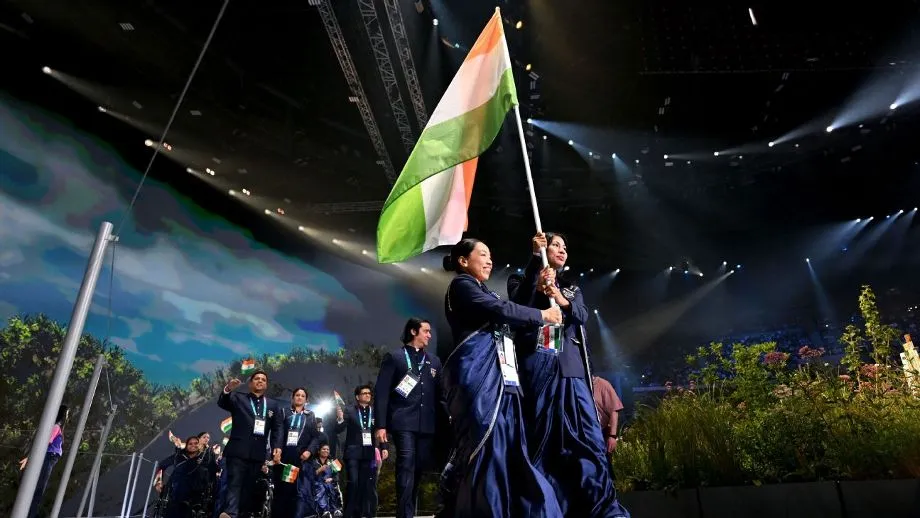

Navigating the shifting landscape of international sports can be challenging for sports enthusiasts tracking the India Commonwealth Games 2026 campaign following major organizational restructuring.
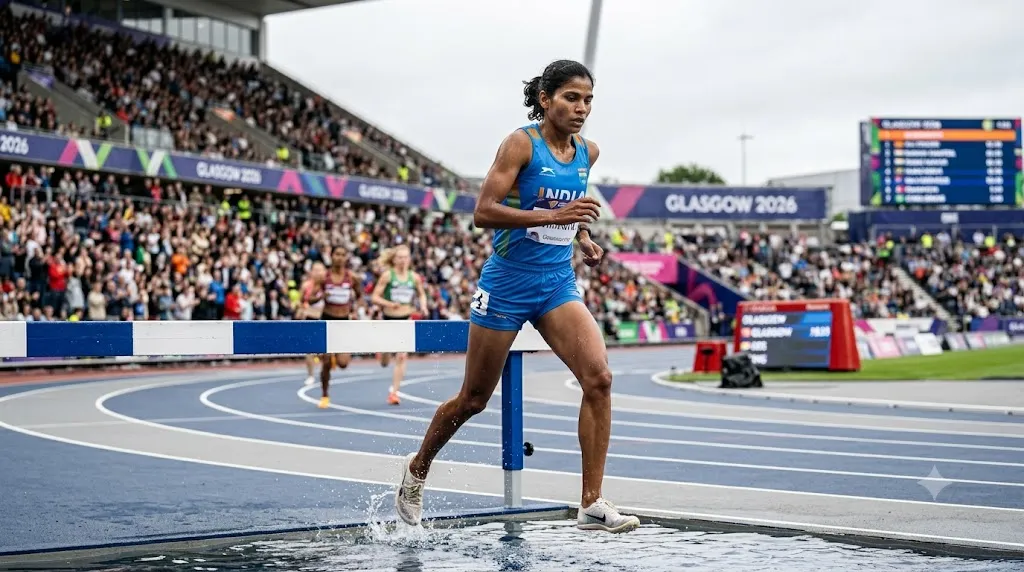
As Glasgow prepares to host a scaled-back edition of the event, sports fans and analysts are working to understand how a drastically altered sports program will impact India’s traditional medal powerhouse status.
Quick Answer
The India Commonwealth Games 2026 campaign in Glasgow presents a fresh strategic challenge following the exclusion of major medal-yielding sports like wrestling, shooting, archery, and badminton. With Glasgow trimming its roster to 10 core sports, India’s primary medal focus shifts toward athletics, weightlifting, boxing, table tennis, and lawn bowls to maintain its strong standing in the global medal tally.
What Is the India Commonwealth Games 2026 Context?
The 2026 Commonwealth Games in Glasgow mark a significant departure from previous editions. To host a cost-effective and streamlined event, organizers reduced the competition framework to just 10 core sports hosted across four decentralized venues within the city.
For India, this structural overhaul alters the competitive dynamic. Traditionally, Indian contingents have dominated events like shooting, wrestling, archery, and badminton during past games. Their exclusion from the official 2026 Glasgow sports program requires the Indian Olympic Association (IOA) and national sports federations to adapt their preparation strategies and redirect athletic resources toward the remaining featured events.
Why the 2026 Glasgow Roster Changes Matter for India
The altered program directly impacts India’s historical medal tally projections at the Commonwealth Games.
- Loss of Traditional Strongholds: Wrestling and shooting historically contributed a substantial percentage of India’s gold, silver, and bronze medals.
- Higher Pressure on Remaining Disciplines: Athletes in track and field, weightlifting, boxing, and table tennis will face increased pressure to perform and bridge the medal gap.
- Strategic Adaptation: National sports bodies must reallocate funding, training facilities, and coaching programs toward disciplines retained on the Glasgow 2026 calendar.
Understanding these structural shifts provides context for how Indian sports administration is pivoting its high-performance strategy leading up to the multi-sport event.
Key Benefits and Opportunities for Indian Sports in 2026
While the exclusion of key events creates immediate challenges, the revised 2026 setup offers unique avenues for growth across the national sporting landscape:
- Diversification of Sports Focus: Reduced reliance on combat sports and shooting forces domestic sports governing bodies to cultivate broader talent pools in track, field, and team sports.
- Elevated Profile for Emerging Disciplines: Events such as lawn bowls, 3×3 basketball, and track cycling gain greater media visibility and funding opportunities.
- Rethinking Multi-Sport Event Strategy: Indian sports administrators can use this transition period to optimize long-term preparation schedules for the Asian Games and Olympic cycles.
- Increased Youth Integration: With traditional veterans in excluded sports stepping back, national federations can introduce younger talent to international multi-sport environments.
Strategic Shift: How India Can Maximize Medals in Glasgow
To maintain a competitive position near the top of the medal leaderboard, Indian sports authorities are adopting clear operational strategies:
- Targeted High-Performance Camps: Channel elite training grants and international exposure toward track and field athletes, weightlifters, and table tennis contingents.
- Focusing on Weightlifting and Boxing: Maximize entry rosters and podium potential in weight categories where Indian lifters and pugilists hold strong world rankings.
- Capitalizing on Team Success: Build on recent international momentum in lawn bowls, men’s and women’s table tennis teams, and 3×3 basketball lineups.
- Data-Driven Performance Analytics: Use sports science and opponent tracking to refine tactic execution in individual head-to-head match-ups.
- Comprehensive Pre-Games Logistics: Establish European base camps early to help athletes acclimate to Glasgow’s climate and competition facilities smoothly.
For a broader perspective on venue locations, ticketing details, and general scheduling for the upcoming event, read our comprehensive Glasgow Commonwealth Games 2026 Guide.
Best Practices and Expert Tips for Following India’s Campaign
For fans, journalists, and sports analysts keeping up with India’s progress throughout the build-up to 2026:
- Track Domestic Selection Trials: Pay close attention to national championships and IOA selection protocols to see which athletes earn spots on the final delegation roster.
- Monitor World Championships: Follow performance indicators at world championship events in athletics, boxing, and weightlifting to gauge current form against Commonwealth competitors.
- Follow Official Sports Bulletins: Rely on direct updates from recognized sports governing bodies and trustworthy multi-niche platforms like TrendCivix rather than unverified speculation.
- Analyze Performance Benchmarks: Focus on personal bests and season bests rather than past medal records from excluded disciplines.
Common Errors to Avoid When Analyzing India’s 2026 Outlook
When evaluating India’s prospects for the 2026 Glasgow Games, avoid these common analytical pitfalls:
- Directly Comparing Past Medal Tallies: Comparing 2026 overall medal counts directly to Birmingham 2022 or Gold Coast 2018 misrepresents progress due to the drastic reduction in total sporting events.
- Underestimating Secondary Disciplines: Assuming that the loss of shooting and wrestling guarantees a poor overall showing overlooks rapid progress in track events, swimming, and racket sports.
- Overlooking Rule and Category Modifications: Each sport’s international federation frequently updates weight classes, equipment rules, and scoring formats that can significantly influence outcomes.
Future Directions for Indian Sports Beyond Glasgow 2026
The structural overhaul of the India Commonwealth Games 2026 narrative highlights broader changes taking place across international sports organizations. As multi-sport events streamline operations to manage costs and environmental footprints, host cities favor existing infrastructure over constructing specialized new facilities.
For India, this evolution underlines the importance of maintaining adaptable athletic programs. By investing heavily in foundational Olympic sports like track and field, swimming, and gymnastics, India builds a resilient sports ecosystem capable of excelling regardless of changes to specific event rosters in future Commonwealth or Asian Games.
Final Thoughts
The path through the India Commonwealth Games 2026 campaign represents an intriguing transition for the nation’s sports ecosystem. Although the removal of several key disciplines creates real challenges, it also presents a valuable opportunity to showcase India’s expanding capabilities across track, field, weightlifting, and court sports.
Whether you are tracking athlete rosters, tournament schedules, or tactical breakdowns, staying informed with verified analysis keeps you ahead of every update. Have questions, insights, or tips about our coverage? Feel free to reach out directly through our Contact Us page to connect with our editorial team.
FAQs
Which sports are excluded from the India Commonwealth Games 2026 program?
The 2026 Glasgow Games have excluded several major sports, including wrestling, shooting, archery, badminton, cricket, and field hockey, as part of a streamlined 10-sport format.
Why was the sports program reduced for the 2026 Commonwealth Games?
Organizers reduced the program to 10 sports to make the event cost-effective, sustainable, and capable of utilizing existing venues across Glasgow without requiring heavy new infrastructure investments.
What are India’s top medal prospect sports for Glasgow 2026?
With several traditional sports absent, India’s primary medal hopes rest on athletics (track and field), weightlifting, boxing, table tennis, and lawn bowls.
How many sports will be hosted at the 2026 Commonwealth Games?
The 2026 Commonwealth Games in Glasgow will host 10 core sports across four main venue clusters throughout the host city.
Where can I find verified news updates on Indian athletes at CWG 2026?
You can follow verified updates, expert analyses, and comprehensive athlete performance guides right here on TrendCivix under our dedicated Sports category.