
Implementing a digital twin for oil and gas is the smartest way to solve costly equipment failures and operational bottlenecks before they even happen. If you manage heavy machinery, pipelines, or offshore rigs, you know that unexpected downtime isn’t just an inconvenience-it’s a multi-million-dollar problem.

By creating a highly accurate virtual replica of physical assets, energy companies are taking the guesswork out of daily operations and turning unpredictable risks into data-driven certainty.
Quick Answer
What is a digital twin in the energy sector? A digital twin for oil and gas is a virtual, real-time representation of physical assets like refineries or offshore rigs, powered by IoT data and AI. It helps operators simulate scenarios, predict equipment failures, and optimize production, significantly reducing costs, enhancing worker safety, and minimizing operational downtime.
What Is a Digital Twin in Oil and Gas?
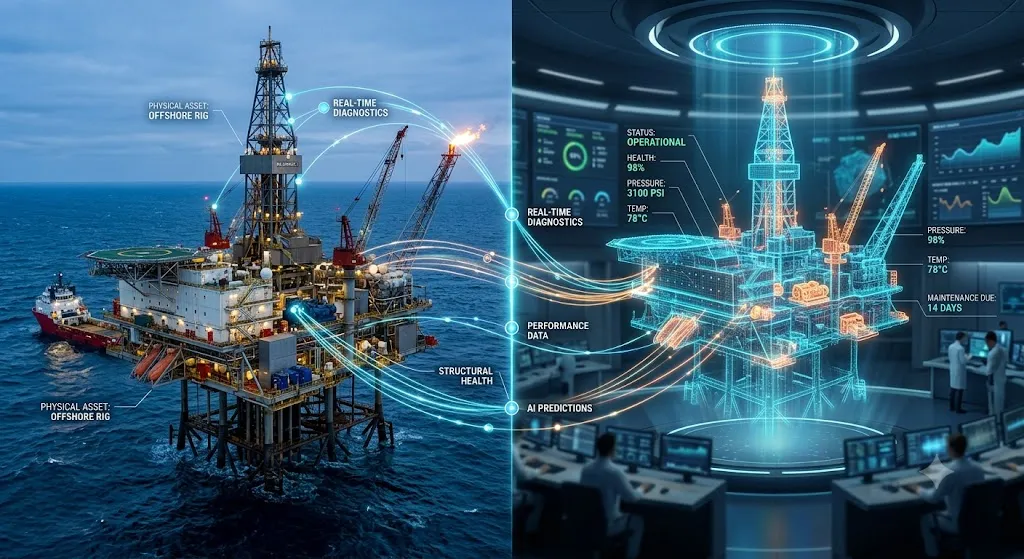
At its core, a digital twin is a living, breathing digital blueprint of a physical object, system, or process. In the context of the energy sector, this means creating a perfect virtual copy of an oil rig, a pipeline network, or a processing plant.
But it’s far more than just a 3D model. This virtual replica is connected to its physical counterpart via a network of Internet of Things (IoT) sensors. These sensors constantly feed the digital model with real-time data, including temperature, pressure, vibration, and flow rates. The result is a dynamic simulation that updates instantly, allowing engineers and site managers to see exactly how their equipment is performing at any given second, from anywhere in the world.
Why a Digital Twin for Oil and Gas Matters
The energy industry is traditionally characterized by high risks, massive capital investments, and complex operational environments. Historically, maintenance and troubleshooting were reactive—you fixed a pump when it broke or adjusted a valve when pressure dropped.
Today, waiting for something to break is too expensive and dangerous. The implementation of a digital twin for oil and gas shifts operations from a reactive stance to a proactive one. By simulating real-world conditions in a risk-free virtual environment, companies can test how a system will react to extreme weather, changing production loads, or mechanical wear and tear. This level of foresight is fundamentally changing how the industry operates, allowing for safer, greener, and more profitable workflows.
Key Benefits of a Digital Twin for Oil and Gas
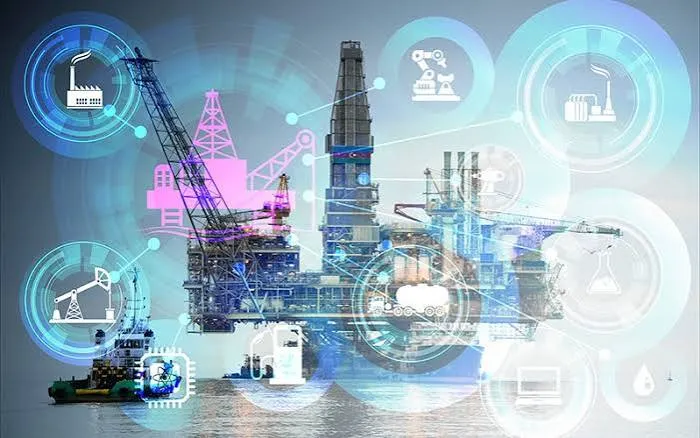
Adopting this technology offers several transformative advantages that directly impact the bottom line and operational safety:
- Predictive Maintenance: Instead of following rigid maintenance schedules or waiting for a breakdown, operators can use the digital twin to predict exactly when a component will fail. This allows for targeted repairs, reducing unnecessary maintenance and preventing catastrophic failures.
- Enhanced Worker Safety: Offshore rigs and refineries are hazardous environments. By testing operational changes virtually and identifying potential pressure build-ups or leaks in the digital twin, companies can keep personnel out of harm’s way.
- Significant Cost Reduction: Minimizing unplanned downtime is critical. A single day of an offline oil rig can cost hundreds of thousands of dollars. Digital twins keep operations running smoothly, saving vast amounts of capital.
- Optimized Output: Engineers can use the virtual model to test different extraction or processing methods to find the most efficient workflow, maximizing yield without straining the physical equipment.
- Remote Monitoring: Experts don’t need to be physically present on an isolated rig to diagnose a problem. They can monitor the entire facility remotely, providing expert guidance from a central control room.
Step-by-Step Guide: How It Works
Building and utilizing a digital twin is a multi-layered process that combines hardware and advanced software. Here is how it typically comes together in the field:
- Data Collection (The Foundation): Physical assets are outfitted with thousands of IoT sensors. These sensors capture live data regarding every aspect of the machinery’s environment and performance.
- Data Integration (The Brain): The raw data is transmitted securely to the cloud, where artificial intelligence and machine learning algorithms clean, organize, and analyze the information in real time.
- Virtual Modeling (The Body): Using advanced CAD (Computer-Aided Design) and 3D modeling, a precise digital representation of the facility is built.
- Synchronization (The Pulse): The real-time data is layered onto the 3D model. The physical asset and the digital replica are now linked. If a valve turns on the real rig, it turns in the simulation.
- Simulation and Action (The Value): Operators run “what-if” scenarios on the digital twin. They simulate the impact of pushing production limits or testing how the rig will withstand an incoming storm, using the results to make safe, informed decisions in the real world.
Best Practices and Expert Tips
If you are looking to integrate digital twin technology into your energy operations, keep these expert recommendations in mind:
- Start Small with Pilot Programs: Don’t try to digitize an entire refinery on day one. Start with a single, critical piece of equipment—like a high-pressure compressor—and scale up once you prove the ROI.
- Ensure Impeccable Data Quality: A digital twin is only as smart as the data feeding it. Invest in high-quality, durable IoT sensors that can withstand harsh industrial environments.
- Break Down Silos: For a digital twin to be effective, IT (Information Technology) and OT (Operational Technology) teams must work together seamlessly. Encourage cross-departmental collaboration.
Common Mistakes to Avoid
The path to digital transformation has its hurdles. Avoid these common pitfalls:
- Underestimating Cybersecurity: Connecting physical, critical infrastructure to cloud networks opens up vulnerabilities. Robust, multi-layered cybersecurity protocols are non-negotiable to protect against hacking and data breaches.
- Ignoring Change Management: Technology is useless if your team doesn’t know how to use it. Failing to train your workforce on how to read, interpret, and act on the data provided by the digital twin will result in a poor return on investment.
- Focusing Only on Hardware: Companies often spend millions on sensors but neglect the software and data analytics platforms required to make sense of the incoming data.
Future Trends or What to Expect
The convergence of AI and energy technology is moving incredibly fast. In the near future, we can expect digital twins to become fully autonomous. Combined with Generative AI and advanced robotics, systems will not only identify a failing part but automatically order a replacement and dispatch a drone or robotic unit to perform the repair.
Furthermore, as the energy sector faces increasing pressure to decarbonize, digital twins will play a crucial role in tracking emissions. Operators will use these virtual models to monitor their carbon footprint in real-time, optimizing processes to minimize environmental impact and transition more smoothly toward sustainable energy practices.
Final Thoughts
The integration of a digital twin for oil and gas is no longer a futuristic concept-it is a present-day necessity for companies that want to remain competitive, safe, and efficient. By bridging the gap between the physical and digital worlds, the energy sector can predict the unpredictable, protect its workforce, and maximize profitability.
As technology continues to evolve, staying informed on these digital shifts is essential for any modern business. If you’re ready to explore more about how AI, technology, and data are transforming industries, check out our other insights or contact us at TrendCivix to share your thoughts and join the conversation!
FAQs
1. What is a digital twin in the oil and gas industry?
A digital twin is a real-time, virtual replica of a physical asset, like an oil rig or pipeline. It uses IoT sensors, AI, and 3D modeling to simulate operations, allowing operators to monitor performance and predict issues without risking physical equipment.
2. How does a digital twin improve safety in oil rigs?
By simulating hazardous scenarios in a virtual environment, digital twins help operators identify potential risks, like equipment failures or dangerous pressure build-ups, before they happen in the real world, significantly reducing the risk of accidents for on-site workers.
3. Can digital twins reduce operational costs?
Yes. Digital twins reduce costs primarily through predictive maintenance. By predicting exactly when a part will fail, companies can avoid catastrophic breakdowns and costly unplanned downtime, ensuring continuous and efficient production.
4. What technologies power a digital twin?
A digital twin relies on a combination of advanced technologies, primarily the Internet of Things (IoT) for real-time data collection, Cloud Computing for data storage, Artificial Intelligence (AI) for predictive analytics, and 3D rendering for visual modeling.
5. Are digital twins used for offshore and onshore operations?
Absolutely. Digital twins are highly versatile and are used to monitor and optimize both offshore oil platforms and onshore processing facilities, pipelines, and refineries, providing remote oversight regardless of the asset’s physical location.