


Understanding the implications of the Anthropic Physical Intelligence acquisition is critical for anyone following the rapid evolution of artificial intelligence.
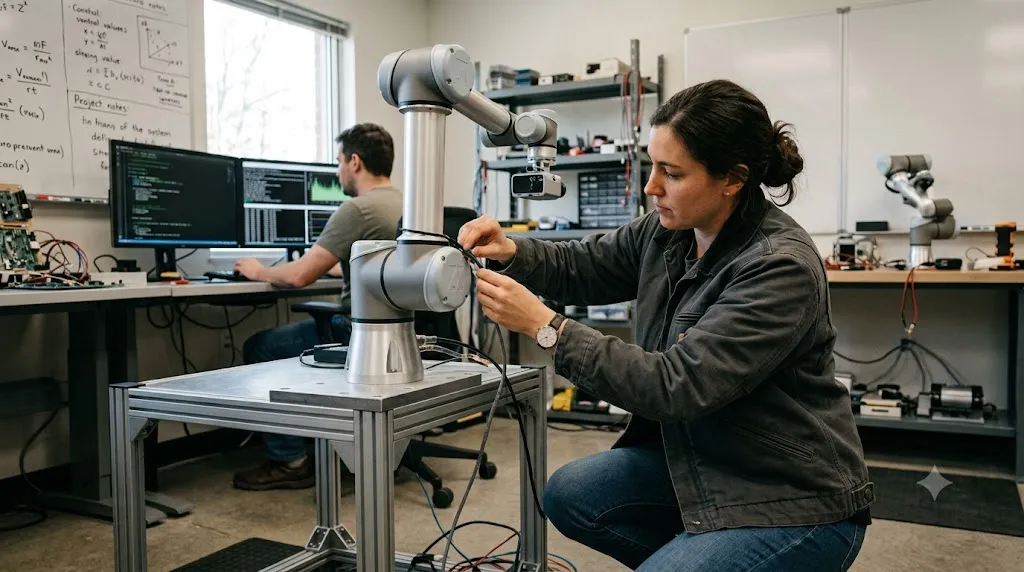
As digital language models reach peak efficiency, top AI labs are shifting their attention to physical embodiment—teaching smart algorithms how to interact directly with the real world.
Quick Answer
The Anthropic Physical Intelligence acquisition represents a strategic move to merge advanced Large Language Models (LLMs) like Claude with physical robotics. By integrating Physical Intelligence’s hardware-agnostic AI software, Anthropic aims to bridge digital reasoning with real-world mechanical task execution, accelerating the rollout of general-purpose embodied AI.
What Is the Anthropic Physical Intelligence Acquisition?
The Anthropic Physical Intelligence acquisition marks a major milestone where software-based artificial intelligence meets hardware robotics. Anthropic, widely known for developing the Claude AI family, has expanded its reach into physical systems by bringing aboard the expertise and technology of Physical Intelligence (pi)—a pioneer dedicated to building general-purpose software for robots.
Instead of creating physical robot hardware from scratch, this acquisition focuses on “embodied AI”—the software intelligence layer that enables machines to see, understand, and maneuver safely within human environments.
[Claude LLM / Digital Reasoning] + [Physical Intelligence / Embodied AI]
↓
[General-Purpose Smart Robotic Automation]
Unlike traditional factory robots programmed to perform one specific action repeatedly, physical AI models can adapt dynamically to complex, unstructured real-world tasks.
Why the Anthropic Physical Intelligence Acquisition Matters
For years, frontier AI models have been confined to text boxes, code editors, and digital API calls. However, solving real-world productivity challenges in industries like logistics, healthcare, and manufacturing requires physical execution.
This development matters for several core reasons:
- Bridging Software and Hardware: It transforms advanced natural language reasoning into precise physical actions.
- Escalating Industry Competition: Competitors like OpenAI have actively backed robotics ventures; this acquisition ensures Anthropic remains at the bleeding edge of embodied intelligence (for more on industry shifts, check out our analysis on the OpenAI rogue AI model).
- Accelerating Embodied AI: Combining foundation models with physical control layers brings general-purpose robotics closer to commercial viability.
Key Benefits of Physical Intelligence Integration
Integrating Physical Intelligence’s specialized AI frameworks into Anthropic’s ecosystem unlocks transformative capabilities across several sectors.
- Universal Hardware Compatibility: Software designed by Physical Intelligence is built to operate across diverse robotic forms—from humanoid bipeds to industrial robotic arms.
- Complex Spatial Reasoning: Merging vision-language understanding with tactile motor feedback allows robots to understand spatial context better.
- Enhanced AI Safety: Anthropic’s core focus on Constitutional AI provides a safer framework for controlling physical machinery in shared human spaces.
- Adaptive Learning: Robots can learn complex tasks via broad pre-training rather than tedious manual programming for every specific motion.
How Embodied AI Works: Step-by-Step
Understanding how physical AI bridges digital logic with mechanical motion helps demystify the technology behind the acquisition:
+————————————————————-+
| 1. High-Level Reasoning |
| User command parsed by Claude LLM |
+————————————————————-+
|
v
+————————————————————-+
| 2. Perception & Mapping |
| Vision sensors map surroundings in 3D |
+————————————————————-+
|
v
+————————————————————-+
| 3. Trajectory Translation |
| Physical Intelligence software plans precise movements |
+————————————————————-+
|
v
+————————————————————-+
| 4. Real-Time Motor Execution |
| Sensory feedback adjusts torque, grip, and speed |
+————————————————————-+
- High-Level Reasoning: A user gives a natural language instruction (e.g., “Sort the fragile items on the table”). The language model parses intent and creates a plan.
- Perception and Spatial Mapping: Visual sensors capture the physical surroundings, building a real-time 3D map of objects and obstacles.
- Trajectory Translation: The specialized Physical Intelligence model translates high-level planning into precise joint angles, grip pressures, and movement vectors.
- Real-Time Execution and Feedback: Motor controllers execute the movement while continuously processing sensory feedback to adjust for unexpected obstacles.
Best Practices for Businesses Preparing for AI Robotics
As physical AI continues to mature rapidly, forward-thinking organizations should begin preparing their workflows:
- Audit Manual Operations: Identify repetitive physical processes within your operations that are vulnerable to labor shortages.
- Invest in Digital Infrastructure: Ensure your operational data is structured clean enough to integrate with future automated systems.
- Prioritize Safety Frameworks: Establish strict safety protocols for human-robot interaction zones within your facilities.
- Stay Flexible on Hardware: Focus on adaptable software solutions rather than locking your organization into rigid, single-use machinery.
Common Mistakes to Avoid in Physical AI Deployment
Companies eager to adopt physical automation often make predictable errors. Here is how to avoid them:
- Overestimating Immediate Capabilities: Expecting early-stage embodied AI models to perform flawless manual labor without human oversight leads to operational failure.
- Ignoring Safety Guardrails: Deploying autonomous physical systems without rigorous fail-safes creates severe workplace hazards.
- Focusing Solely on Hardware: Buying expensive machinery without an adaptive, software-first intelligence layer leads to fast obsolescence.
Future Trends: What to Expect Next in Embodied AI
The Anthropic Physical Intelligence acquisition is a clear indicator of where the tech industry is heading over the next decade.
[Digital Assistants] ──> [Task Automation] ──> [General Embodied AI]
- Humanoid Integration: Expect general-purpose AI brains to power commercial humanoid robots in warehouses and distribution centers within a few years.
- Consumer Household Assistants: As costs drop, physical AI will transition from industrial applications to domestic chores and eldercare assistance.
- Multi-Modal Precision: Future iterations will seamlessly integrate vision, sound, touch, and spatial awareness into a single continuous neural network.
Final Thoughts
The Anthropic Physical Intelligence acquisition signals a major evolution in tech: AI is moving beyond screens and stepping directly into our physical environment. By unifying powerful reasoning models with embodied robotics software, Anthropic is helping lay the foundation for a future where intelligent machines safely assist humans in real-world tasks.
Whether you run an enterprise looking to optimize operations or are simply a tech enthusiast tracking AI evolution, staying informed on these shifts is essential. Have questions about how physical AI impacts your industry? Feel free to reach out to our team via our Contact Us page or explore more tech breakthroughs on TrendCivix!
FAQs
What was the purpose of the Anthropic Physical Intelligence acquisition?
The Anthropic Physical Intelligence acquisition aims to combine advanced Large Language Models (LLMs) with general-purpose robotics software, enabling AI to reason and safely execute physical tasks in real-world environments.
What is Physical Intelligence in AI robotics?
Physical Intelligence refers to software models that enable hardware—such as humanoid robots or mechanical arms—to perceive, navigate, and perform complex physical tasks autonomously using real-time sensory data.
Will Anthropic build its own robot hardware?
No, Anthropic focuses primarily on the software and intelligence layer. By partnering with or acquiring physical AI software capabilities, its goal is to provide universal AI brains for diverse third-party hardware platforms.
How does embodied AI differ from traditional factory automation?
Traditional factory automation relies on pre-programmed, repetitive motions. Embodied AI uses adaptive neural networks to understand dynamic surroundings, adapt to new environments, and perform unstructured tasks without manual code updates.
What industries will benefit most from this acquisition?
Logistics, manufacturing, healthcare, agriculture, and retail stand to benefit the most through improved automated sorting, inventory management, physical care assistance, and material handling.