


GLP-1 weight loss drugs remain one of the most discussed health topics in 2026. Medicines containing semaglutide, liraglutide and tirzepatide are being used to support people living with obesity, excess weight and, in some cases, type 2 diabetes.
These medications can produce meaningful weight loss, reduce appetite and improve certain metabolic health markers. However, they are prescription medicines—not quick cosmetic solutions—and they can cause side effects or serious complications in some people.
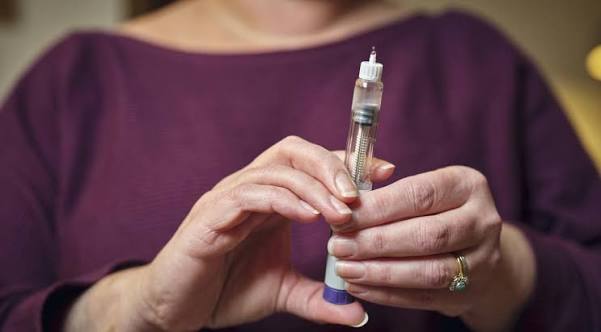
In December 2025, the World Health Organization released its first guideline covering GLP-1 therapies for obesity, describing obesity as a chronic and relapsing disease that requires comprehensive, long-term care. The guidance emphasizes that medication should be used alongside appropriate nutrition, physical activity and professional medical support.
This guide explains how GLP-1 drugs work, their potential benefits, common risks and the important questions patients should ask before starting treatment.
What Are GLP-1 Weight Loss Drugs?
GLP-1 stands for glucagon-like peptide-1, a hormone naturally produced in the body after eating. It plays a role in blood sugar regulation, appetite and feelings of fullness.
GLP-1 receptor agonists are medicines designed to imitate some of the effects of this hormone. They can help the pancreas release insulin when needed, reduce glucagon secretion, slow stomach emptying and influence areas of the brain involved in appetite.
As a result, many patients feel full sooner, experience fewer cravings and eat smaller portions.
Tirzepatide works slightly differently because it activates both GLP-1 and GIP receptors. It is therefore commonly described as a dual GIP/GLP-1 receptor agonist.
Commonly discussed medicines include:
- Semaglutide
- Tirzepatide
- Liraglutide
- Dulaglutide
However, not every medicine in this category is approved specifically for weight management. Brand names, approved uses, doses and eligibility requirements differ between countries. A diabetes medication should not automatically be treated as a weight-loss medicine without professional guidance.
How Effective Are GLP-1 Drugs for Weight Loss?
Clinical trials show that GLP-1-based treatments can support significant weight reduction when combined with lifestyle changes.
In the STEP 1 clinical trial, adults receiving once-weekly semaglutide alongside lifestyle support lost substantially more weight than participants receiving a placebo. Another major trial involving tirzepatide reported average weight reductions of around 19.5% and 20.9% at higher doses over 72 weeks.
A 2025 head-to-head trial published in the New England Journal of Medicine found that adults with obesity but without diabetes lost an average of approximately 20.2% of their body weight with tirzepatide, compared with about 13.7% with semaglutide over 72 weeks.
These results are averages from controlled studies. An individual patient may lose more or less weight depending on dosage, health status, diet, activity, treatment duration, side effects and medication adherence.
GLP-1 medication does not replace healthy eating. Patients can support long-term results by following a balanced diet and learning how to improve gut health naturally.
Potential Benefits of GLP-1 Medicines
The most obvious benefit is reduced body weight, but treatment may affect several areas of metabolic health.
Appetite control
GLP-1 medicines can reduce hunger and increase feelings of fullness. This may make it easier for some people to follow a calorie-controlled eating plan without experiencing constant cravings.
Better blood sugar management
GLP-1 receptor agonists were originally developed for type 2 diabetes. They can help lower blood sugar by improving glucose-dependent insulin release and reducing inappropriate glucagon secretion.
Cardiovascular benefits
Research has shown that semaglutide may reduce the risk of major cardiovascular events in some adults with overweight or obesity and existing cardiovascular disease. This does not mean every GLP-1 medicine provides the same heart-related benefit for every patient.
Reduced waist circumference
Clinical trials have reported reductions in waist circumference alongside overall body weight. Reducing excess abdominal fat may support better metabolic health.
Support for obesity-related conditions
Weight reduction may improve high blood pressure, cholesterol levels, mobility and other obesity-related health concerns. Patients should also follow evidence-based healthy lifestyle habits for long-term weight management rather than relying on medication alone.
Common Side Effects
The most frequently reported side effects affect the digestive system, especially when treatment begins or the dose increases.
Common side effects may include:
- Nausea
- Vomiting
- Diarrhea
- Constipation
- Abdominal discomfort
- Indigestion
- Reduced appetite
- Fatigue
Doctors normally begin with a lower dose and increase it gradually to help the body adjust. Eating smaller meals, avoiding very fatty foods and staying hydrated may help some patients manage mild symptoms.
Patients should not increase their dose faster than prescribed. Severe, persistent or worsening symptoms require medical attention.
Serious Risks and Safety Warnings
Although most people focus on nausea and constipation, GLP-1-based medicines may also carry more serious risks.
Depending on the specific medication and the patient’s health history, warnings can include:
- Pancreatitis
- Gallbladder problems
- Kidney injury linked to dehydration
- Severe gastrointestinal reactions
- Low blood sugar when combined with insulin or certain diabetes medicines
- Allergic reactions
- Possible worsening of diabetic retinopathy
- Thyroid C-cell tumour warnings for certain products
Current prescribing information for semaglutide and tirzepatide includes a boxed warning regarding thyroid C-cell tumours observed in animal studies. These medicines may not be suitable for people with a personal or family history of medullary thyroid carcinoma or Multiple Endocrine Neoplasia syndrome type 2.
Patients should carefully discuss their medical history, current medicines, pregnancy plans and previous digestive, pancreatic, kidney, gallbladder or thyroid conditions with a qualified healthcare professional.
Can GLP-1 Drugs Cause Muscle Loss?
Any substantial weight loss can include some loss of lean body mass, not only fat. This is one reason why nutrition and exercise remain essential during treatment.
To help preserve muscle, patients may be advised to:
- Eat adequate protein
- Perform resistance training
- Avoid extremely low-calorie diets
- Monitor strength and energy levels
- Work with a dietitian when appropriate
A well-planned high-protein and high-fibre diet may help support fullness, digestion and muscle maintenance, although dietary needs vary between individuals.
Who May Qualify for Treatment?
Eligibility depends on the medication, local regulations and individual medical assessment. For example, the FDA approved tirzepatide for chronic weight management in adults with obesity, or adults with overweight who also have at least one weight-related health condition.
A doctor may consider factors such as:
- Body mass index
- Type 2 diabetes
- High blood pressure
- High cholesterol
- Sleep apnea
- Cardiovascular risk
- Previous weight-management attempts
- Current medications
- Pregnancy or breastfeeding status
GLP-1 medicines are generally not intended for casual use by people who only want to lose a small amount of weight for appearance-related reasons.
What Happens After Stopping Treatment?
Weight regain can occur after treatment stops because appetite may return and the biological factors contributing to obesity may remain present.
Obesity is increasingly treated as a chronic condition rather than a temporary lack of willpower. Some patients may need long-term treatment, while others may stop because of side effects, cost, pregnancy plans, medical advice or personal preferences.
Before stopping, patients should speak to their prescriber about nutrition, physical activity, weight monitoring and alternative treatment options.
Avoid Unapproved or Fake GLP-1 Products
The popularity of GLP-1 drugs has led to the online sale of unapproved, counterfeit and incorrectly labelled products.
In June 2026, the FDA warned about fraudulent compounded semaglutide and tirzepatide products carrying false information on their labels. Purchasing medicines through social media pages, unverified sellers or websites that do not require a proper medical assessment can be dangerous.
Patients should use licensed pharmacies and follow the prescription provided by an authorized healthcare professional.
Final Thoughts
GLP-1 and dual GIP/GLP-1 medicines can be effective tools for treating obesity and managing related health risks. Research shows that semaglutide and tirzepatide can produce substantial weight loss for appropriately selected patients.
However, the benefits must be balanced against digestive side effects, potential serious risks, cost, long-term treatment requirements and the possibility of weight regain after stopping.
These medicines work best as one part of a complete plan that includes nutritious food, resistance exercise, adequate sleep, stress management and ongoing medical support. Anyone considering treatment should receive an individual assessment rather than buying or using a GLP-1 product without supervision.
Medical disclaimer: This article is for general information only and does not replace diagnosis, treatment or advice from a qualified healthcare professional.
Medical References
- WHO guideline on GLP-1 medicines for treating obesity
- FDA information on prescription medications for chronic weight management
- NIDDK guide to prescription medications for overweight and obesity
- Tirzepatide compared with semaglutide for obesity
- Semaglutide clinical trial for adults with overweight or obesity
- FDA warning about unapproved and fraudulent GLP-1 products