
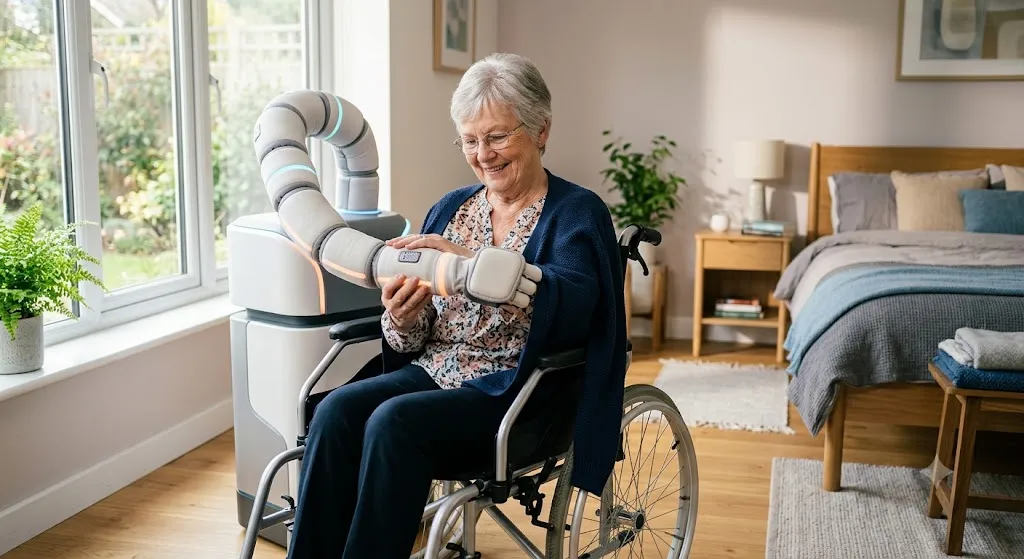

For millions dealing with mobility challenges, self-dressing robotic technology is shifting the daily struggle of getting dressed into a seamless, stress-free routine. The simple act of putting on a shirt or a pair of trousers can be physically exhausting and emotionally draining for aging populations, stroke survivors, or individuals with severe disabilities.
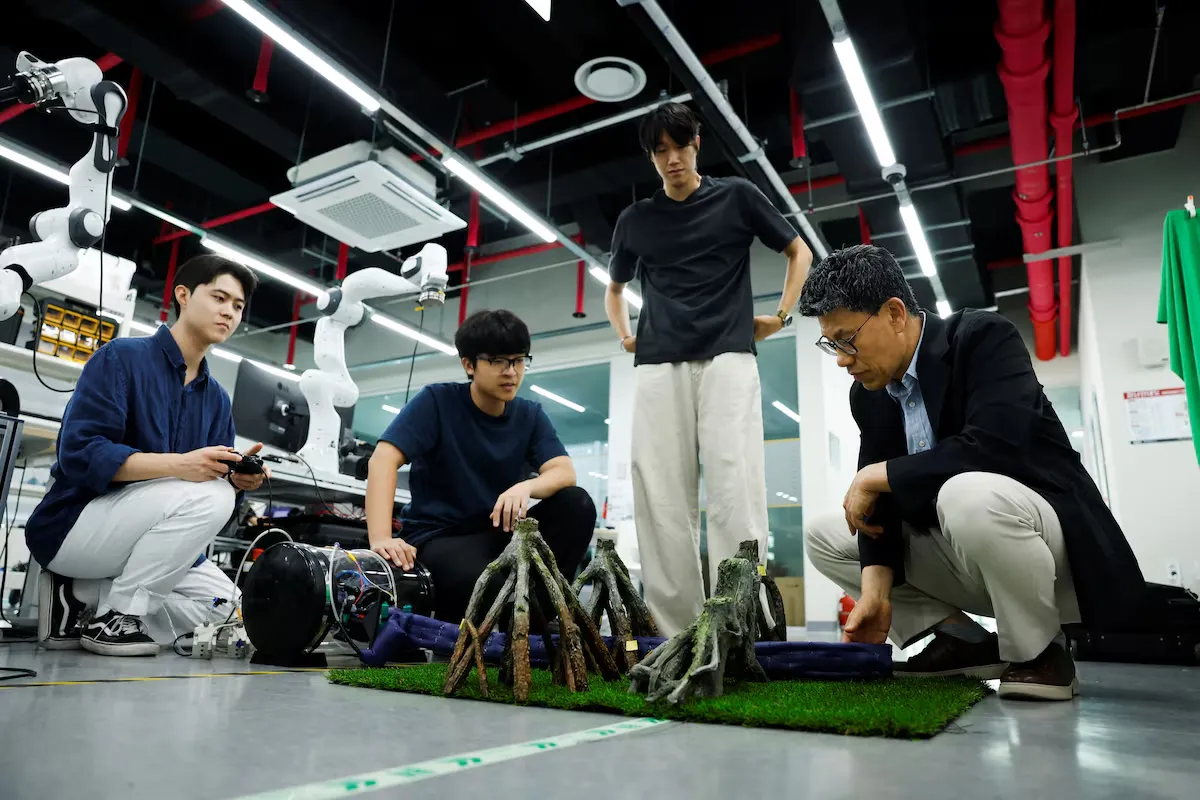
This emerging innovation directly solves that problem, restoring human dignity and personal independence while simultaneously lifting an immense physical burden off the shoulders of hardworking caregivers. As artificial intelligence and physical robotics continue to merge, these intelligent systems are moving out of research labs and into real-world homes.
Quick Answer
What is self-dressing robotic technology? It is an advanced assistive system that uses artificial intelligence, machine learning, and soft robotics to help individuals put on garments. These robots learn human postures, track movements in real-time, and adapt to different fabrics, safely guiding clothes onto a person’s body without requiring manual human effort.
What Is Self-Dressing Robotic Technology?
At its core, this technology involves robotic arms and intelligent software designed to assist humans with the complex task of dressing. Unlike industrial robots that perform rigid, repetitive tasks on an assembly line, assistive dressing robots must navigate highly unpredictable environments. They have to deal with the flexible, ever-changing shape of human bodies and the unpredictable physics of clothing fabrics like cotton, wool, or synthetic blends.
To achieve this, engineers combine computer vision, tactile sensors, and deep learning algorithms. The robot uses cameras to map the user’s body position and relies on highly sensitive touch sensors to ensure it never pulls too hard on the fabric or applies too much pressure to the user’s skin.
Why Self-Dressing Robotic Technology Matters
We are currently facing a global demographic shift. The aging population is growing rapidly, and the healthcare sector is simultaneously experiencing severe shortages in nursing and caregiving staff. We are reaching a point where human resources simply cannot keep up with the demand for assisted living.
This is where assistive AI steps in. Just as we have seen massive financial investments and interest in artificial intelligence platforms (a trend we noted in our recent breakdown of the DeepSeek valuation), the hardware side of AI is also seeing a boom. Developing technology that can assist with Activities of Daily Living (ADLs)-like eating, bathing, and dressing-is no longer a luxury; it is a vital necessity for the future of global healthcare infrastructure.
Key Benefits of Automated Dressing Aids
The introduction of these advanced systems into homes and medical facilities brings several life-changing benefits:
- Restored Dignity and Independence: Users can get dressed without needing another human in the room, preserving their privacy and boosting their mental well-being.
- Reduced Caregiver Burnout: Caregivers often suffer from back injuries and physical exhaustion from constantly lifting and moving patients. Robots take over the physical strain of this daily chore.
- Enhanced Safety: By utilizing advanced force-feedback sensors, these robots eliminate the risk of accidental falls or skin tears that can sometimes occur during manual dressing.
- Customizable Care: AI algorithms allow the technology to learn the specific preferences and physical limitations of an individual user, adjusting its approach day by day.
How It Works
While the backend programming of self-dressing robotic technology is incredibly complex, the user experience is designed to be as simple and intuitive as possible. Here is a breakdown of how the process generally works:
- Garment Recognition and Grasping: The robot uses computer vision to identify the piece of clothing (e.g., a hospital gown or a jacket). Its soft-grip manipulators carefully pinch the fabric without tearing it.
- Posture Mapping: Using safe, non-invasive sensors (like LiDAR or depth cameras), the robot scans the user’s current posture to understand where their arms, head, and torso are located.
- Path Planning: The AI calculates the safest and most efficient trajectory to guide the garment over the user’s limbs.
- Adaptive Force Control (The Dressing Phase): As the robot moves the clothing onto the user, it constantly measures resistance. If a user stiffens an arm or if the fabric catches, the robot instantly pauses or adjusts its grip to ensure zero discomfort.
- Completion: The robot releases the fabric once the garment is correctly positioned, stepping back to allow the user to go about their day.
Best Practices and Expert Tips
For early adopters, healthcare facilities, or families looking to integrate assistive robotics into their care routines, following best practices is essential for success:
- Prioritize Loose-Fitting Clothing: While robots are getting smarter, starting with slightly oversized, stretchable fabrics (like cotton blends) ensures a smoother learning curve for both the user and the machine.
- Maintain Clear Environments: Ensure the area around the user is free of clutter. The robot’s computer vision works best when it has a clear line of sight to the user and the clothing.
- Combine Tech with Human Empathy: Robots should supplement human care, not replace human connection. Use the time saved by the robot to engage in meaningful conversation and companionship with the individual.
Common Mistakes to Avoid
- Ignoring Software Updates: Just like your smartphone, self-dressing robotic technology requires frequent updates to improve its AI models and security protocols. Never skip these updates.
- Rushing the Acclimation Process: Introducing a robot into a senior’s personal space can be intimidating. A common mistake is forcing the technology too quickly. Allow the user to get comfortable with the machine’s presence before initiating physical contact.
- Overestimating Current Capabilities: While advanced, current models may still struggle with highly complex garments like tight button-down shirts or intricate zippers. Stick to the machine’s recommended capabilities.
Future Trends or What to Expect
The future of self-dressing robotic technology is deeply intertwined with the evolution of Generative AI and advanced materials. In the next five to ten years, expect to see the integration of Large Language Models (LLMs) that allow users to communicate with their robot naturally via voice search and command (“Hey robot, please help me put on the blue sweater carefully; my left shoulder hurts today”).
Furthermore, we will likely see a shift from bulky robotic arms mounted on wheelchairs to smaller, more agile “soft robotics”—devices made of silicone and flexible fabrics that feel more like a gentle human touch than cold metal. As manufacturing scales up, the cost of these life-changing devices will also drop, making them accessible to everyday consumers rather than just specialized hospitals.
Final Thoughts
Self-dressing robotic technology represents some of the most compassionate engineering happening in the tech world today. By merging advanced AI with physical robotics, innovators are solving a deeply human problem, giving independence back to those who need it most. As this technology becomes smarter, more affordable, and widely available, it will fundamentally redefine the landscape of personal care and nursing.
If you are fascinated by how AI and technology are reshaping our future, keep exploring our technology category. Have questions about our content, or want to partner with us for your next tech-focused project? Don’t hesitate to Contact Us today to connect with the TrendCivix team!
FAQs
1. What is self-dressing robotic technology?
Self-dressing robotic technology uses AI, computer vision, and robotic arms to assist individuals with limited mobility in putting on their clothes safely and independently.
2. Are dressing robots safe to use?
Yes. Modern dressing robots are equipped with highly sensitive force-feedback sensors. If the robot detects unusual resistance, such as a snag in the fabric or a stiff limb, it immediately stops moving to prevent injury.
3. Who benefits most from automated dressing aids?
This technology primarily benefits the elderly, stroke survivors, individuals with physical disabilities, and healthcare professionals who suffer from caregiver burnout.
4. What kind of clothes can a dressing robot handle?
Currently, most assistive robots are optimized for simple, flexible garments such as hospital gowns, open jackets, t-shirts, and loose trousers. Complex fasteners like tiny buttons and zippers are still in development.
5. How much does a self-dressing robot cost?
Currently, advanced medical-grade assistive robots are expensive and mostly found in research labs or specialized care facilities. However, as AI and manufacturing improve, consumer models are expected to become much more affordable in the coming years.