
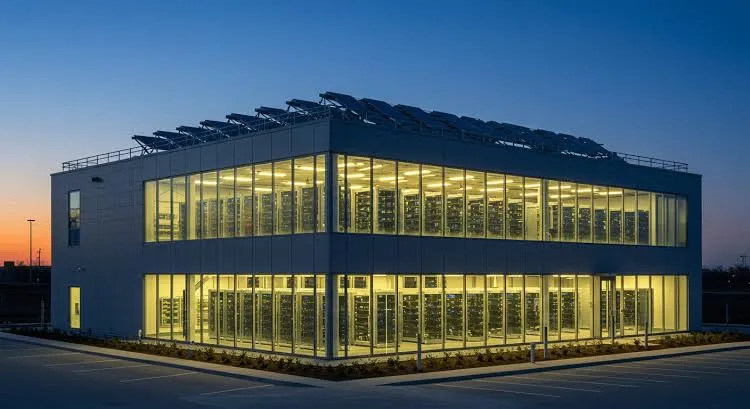

The White House AI power cost pledge is an urgent and necessary response to a rapidly growing crisis: the skyrocketing energy demands of artificial intelligence. As developers build larger, more complex models, the electricity required to train and run these systems is putting an unprecedented strain on national power grids. For businesses and everyday consumers, this translates directly into the threat of surging electricity bills and potential energy shortages.
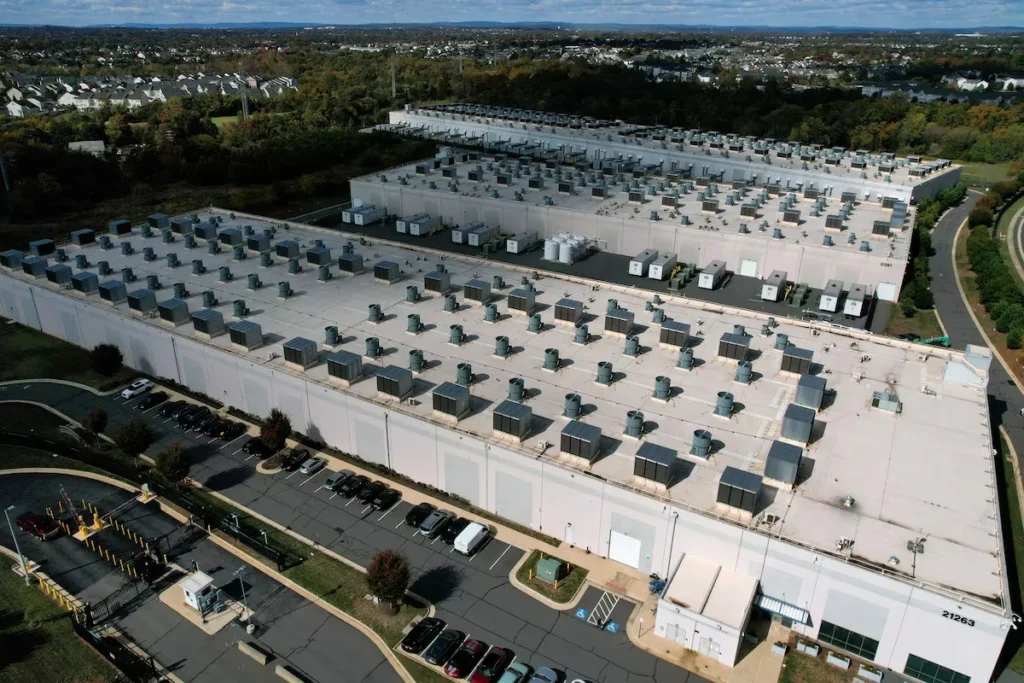
If left unaddressed, the sheer volume of power consumed by massive data centers could severely derail global climate goals and inflate utility costs. This initiative serves as a crucial bridge, aiming to balance the incredible pace of technological advancement with the critical need for environmental and economic responsibility.
Quick Answer
What is the White House AI power cost pledge? It is a strategic government-backed initiative aimed at reducing the energy consumption and financial burden of artificial intelligence. By promoting energy-efficient algorithms, sustainable data center practices, and renewable energy sourcing, the pledge ensures the rapid growth of AI does not overwhelm power grids or drastically increase consumer electricity costs.
What Is the White House AI Power Cost Pledge?
Artificial intelligence requires immense computational power. Every time a user generates an image, summarizes a document, or asks a chatbot a complex question, servers in a data center spin up to process the request.
The White House AI power cost pledge is a collaborative commitment involving top government officials, tech giants, and energy sector leaders. Its primary goal is to establish a sustainable framework for the future of AI development. Instead of simply building more fossil-fuel power plants to feed the AI boom, this pledge emphasizes the creation of energy-efficient hardware, the optimization of software algorithms to require less compute, and a heavy transition toward renewable energy sources.
By signing onto or aligning with this pledge, companies agree to transparently monitor their AI energy consumption, invest in greener technologies, and work proactively to ensure their innovations do not come at the expense of the public power supply.
Why the White House AI Power Cost Pledge Matters
The stakes for AI energy consumption have never been higher. Training a single large language model (LLM) can consume as much electricity as thousands of homes do in an entire year. As AI integrates into every facet of our daily lives—from healthcare diagnostics to financial modeling—the cumulative energy draw is staggering.
This pledge matters for three main reasons:
- Grid Stability: Many regional power grids are already aging and operating near capacity. A sudden influx of massive, power-hungry AI data centers can lead to blackouts or brownouts.
- Economic Impact: Supply and demand dictate that if AI consumes a massive share of local electricity, the cost of power for everyday citizens and small businesses will rise.
- Environmental Goals: The tech industry cannot claim to be forward-thinking if its primary product is accelerating carbon emissions.
Just as we recently explored the massive market shifts in our article on the SK Hynix Nasdaq debut, hardware manufacturers and tech leaders are realizing that long-term profitability is deeply tied to sustainability.
Key Benefits of the White House AI Power Cost Pledge
When implemented effectively, this initiative offers a wide array of advantages across multiple sectors:
- Lower Energy Bills: By enforcing efficiency standards, the pledge helps prevent spikes in local utility costs for consumers.
- Environmental Protection: Pushing tech companies toward solar, wind, and geothermal energy drastically reduces the carbon footprint of AI.
- Hardware Innovation: The demand for efficiency drives the creation of smarter, cooler, and less power-hungry microchips.
- Corporate Accountability: It forces transparency, requiring tech giants to publicly report and reduce their environmental impact.
- Sustainable Growth: It ensures that the AI revolution can continue without hitting a hard ceiling caused by power shortages.
Step-by-Step Guide: How the Tech Industry is Adapting
How exactly does an abstract pledge turn into actionable change? Here is how the tech industry is actively implementing the principles of the pledge:
1. Conducting Comprehensive Energy Audits
Before companies can reduce their power usage, they must understand it. Tech firms are deploying advanced monitoring tools to track the exact energy cost of training models versus running daily inferences.
2. Shifting to Renewable Energy Grids
Rather than building data centers wherever land is cheap, companies are actively seeking locations near robust renewable energy sources, such as hydroelectric dams or massive solar farms, ensuring their operations are as green as possible.
3. Developing “Lighter” AI Models
Not every task requires a massive, trillion-parameter model. Developers are increasingly focusing on “Small Language Models” (SLMs) that can run locally on devices or require a fraction of the cloud computing power, drastically cutting energy costs.
4. Investing in Advanced Cooling
A significant portion of a data center’s energy goes toward keeping servers cool. Companies are moving away from traditional air conditioning and investing in liquid cooling and even underwater data centers to naturally dissipate heat.
Best Practices and Expert Tips for AI Developers
For software developers and tech entrepreneurs, aligning with this pledge isn’t just about good PR; it is about future-proofing your business. Here are a few expert tips:
- Optimize Your Code: Inefficient code requires more compute time. Streamlining your algorithms can significantly reduce the energy drawn by servers.
- Schedule Off-Peak Training: Train your heavy machine learning models during off-peak hours (like the middle of the night) when grid demand is low, and energy is often sourced from renewables like wind.
- Embrace Edge Computing: Whenever possible, process data locally on the user’s device (the “edge”) rather than sending it back and forth to a massive, power-hungry cloud server.
Common Mistakes to Avoid
As we look ahead, the White House AI power cost pledge will likely serve as a foundational blueprint for international regulations. However, many companies are still making critical errors in their energy management:
- Ignoring Idle Power: Servers often draw significant power even when they aren’t actively processing AI requests. Failing to implement aggressive power-down protocols for idle servers is a massive waste of resources.
- Over-Training Models: Pushing a model through millions of extra training cycles for a negligible 0.01% increase in accuracy is an environmental and financial mistake. Know when a model is “good enough.”
- Greenwashing: Purchasing cheap, low-quality carbon offsets instead of actively reducing the actual energy consumption of your data centers. Regulators are becoming much stricter about these deceptive practices.
Future Trends: What to Expect Next
The conversation around AI and energy is evolving rapidly. In the near future, we can expect to see a surge in specialized AI chips (like Neural Processing Units) that are designed specifically for high-efficiency processing.
Furthermore, we are already seeing major tech companies invest heavily in next-generation nuclear energy, including Small Modular Reactors (SMRs), to provide clean, uninterrupted, 24/7 power to their facilities. As AI becomes more deeply integrated into global infrastructure, strict compliance with energy efficiency pledges will likely transition from voluntary commitments to mandatory federal laws.
Final Thoughts
The rapid rise of artificial intelligence is one of the most exciting technological leaps in human history, but it cannot come at the cost of our energy grids and environment. The White House AI power cost pledge is a critical step toward ensuring that the AI revolution is both innovative and sustainable. By focusing on efficient hardware, smarter software, and renewable energy, the tech industry can continue to grow responsibly.
If you are curious about how emerging tech regulations might impact your business or if you want to share your thoughts on the future of AI, we would love to hear from you. Feel free to contact us here at TrendCivix, or browse our Technology category for more deep dives into the trends shaping our world!
FAQs
1. What is the main goal of the White House AI power cost pledge?
The main goal is to reduce the massive energy consumption of AI data centers, preventing strain on power grids and protecting consumers from rising electricity costs.
2. How does AI energy consumption affect my electricity bill?
If massive AI data centers draw too much power from local grids, the overall demand for electricity spikes. This high demand can drive up utility costs for residents and businesses.
3. What are companies doing to make AI more energy-efficient?
Companies are developing smaller, more efficient AI models, investing in liquid cooling systems for servers, and moving data centers closer to renewable energy sources like wind and solar.
4. Will the AI power pledge slow down technological innovation?
No. Instead of slowing innovation, it forces companies to innovate smarter. It drives the creation of highly efficient microchips and better algorithms that do more work with less power.
5. Are AI data centers currently using renewable energy?
Many are beginning to transition, but a significant portion still relies on fossil fuels. The pledge aims to accelerate the tech industry’s shift to 100% renewable energy sources.