
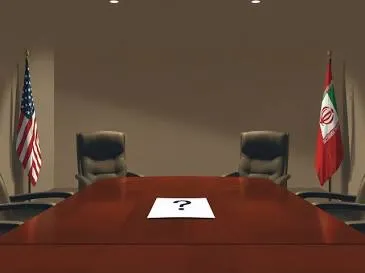
The geopolitical chessboard of the Middle East has just experienced its most profound shift in decades. Following months of devastating escalation, direct military exchanges, and catastrophic economic freezes, world leaders have done what many thought impossible: signed a preliminary Iran-US agreement. Known formally as the Islamabad Memorandum, this diplomatic breakthrough offers a fragile window of hope to a region pushed to the absolute brink of total war.
For everyday citizens, energy consumers, and market analysts alike, understanding the implications of this accord is vital. The friction between Washington and Tehran impacts everything from global gas prices to international maritime security. In this deep dive, we will unpack exactly what this agreement entails, why it matters, how it is structured, and what the future holds for this high-stakes diplomatic truce.
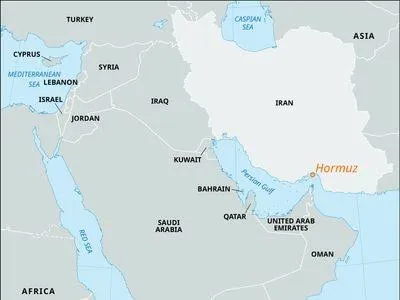
The Iran-US agreement, finalized through the Islamabad Memorandum of Understanding (MOU) on June 17, 2026, is a 14-point framework aimed at permanently ending hostilities. Mediated by Pakistan, the deal establishes a 60-day negotiating window, reopens the strategic Strait of Hormuz toll-free, lifts the US naval blockade on Iranian ports, and introduces billions in conditional sanctions relief in exchange for verifiable nuclear enrichment caps.
What Is the Iran-US Agreement?
The 2026 Iran-US agreement is an interim diplomatic framework designed to de-escalate the severe military conflict that erupted earlier this year between the United States, Israel, and the Islamic Republic of Iran. Brokered through intense, multi-round mediation by Pakistani Prime Minister Shehbaz Sharif, the text was digitally signed by representatives of both nations, including US President Donald Trump and Iranian President Masoud Pezeshkian.
At its core, the agreement is a “tactical pause.” It transitions the conflict from an active shooting war to a structured 60-day diplomatic window. During this period, both nations are tasked with negotiating the final terms of a permanent peace treaty. The framework addresses key structural flashpoints, balancing American demands for nuclear non-proliferation with Iranian demands for economic survival and sovereignty.
Why the Iran-US Agreement Matters
This diplomatic breakthrough did not happen in a vacuum. It follows a dark period of direct military engagement, massive regional instability, and a dual naval blockade that choked global shipping lines. Just weeks ago, headlines were dominated by severe kinetic actions, such as those covered in our analysis of how the US carried out fresh strikes against Iran.
The agreement matters globally for three primary reasons:
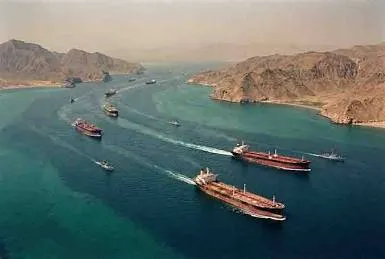
- Global Energy Security: The Strait of Hormuz is the world’s most critical oil transit chokepoint. The agreement’s mandate to reopen the passage ensures that roughly 20% of the world’s petroleum liquids can flow freely again, immediately easing global inflationary pressures.
- Preventing Full-Scale Regional War: The military exchanges threatened to pull neighboring Arab Gulf states, international coalitions, and various regional proxy groups into an uncontainable multi-front war.
- A New Diplomatic Precedent: By bypassing traditional European mediators and utilizing direct channels via regional actors like Pakistan, Qatar, and Egypt, the deal rewires how modern international diplomacy operates.
Key Benefits of the Accord
The preliminary terms outlined in the Islamabad Memorandum provide clear, immediate advantages for both signatories and the international community:
- De-escalation on All Fronts: The deal declares an immediate and permanent termination of military operations across all interconnected fronts, including active theaters in Lebanon.
- Economic Relief for Consumers: US Treasury Secretary Scott Bessent noted that stabilizing the Persian Gulf will provide immediate relief in energy costs for American families and global markets.
- Massive Reconstruction Infrastructure: The agreement lays the groundwork for a proposed $300 billion international reconstruction fund for Iran, alongside the unfreezing of tens of billions in Iranian assets held abroad.
- Restored Maritime Sovereignty: While shipping remains toll-free for the 60-day window, the agreement recognizes a collaborative framework for maritime security, ensuring safe navigation without aggressive naval blockades.
Step-by-Step Guide: How the Agreement Works
The Islamabad Memorandum is structured as a two-phase process designed to build trust while maintaining strict security guardrails. Here is how the roadmap is engineered to function over the coming months:
| Phase | Duration | Core Mechanisms & Operational Actions |
| Phase 1: Active Truce | Days 1–15 | Immediate cessation of all missile, drone, and airstrikes. The US Navy lifts its comprehensive blockade of southern Iranian ports, while Iran systematically reopens maritime lanes in the Strait of Hormuz. |
| Phase 2: Formal Negotiations | Days 16–60 | Expert-level technical teams convene in neutral territory (such as Switzerland). US Treasury and State Department officials meet Iranian diplomats to verify nuclear enrichment pauses and map out step-by-step sanctions lifting. |
| Phase 3: Final Treaty | Beyond Day 60 | If verification metrics are met by both sides, the interim memorandum translates into a legally binding, multi-decade international treaty signed by both executive branches. |
Best Practices and Expert Tips for Monitoring Geopolitics
For political science students, financial investors, and global citizens trying to navigate this fast-moving news cycle, tracking the validity of international accords requires a careful eye. Experts suggest focusing on these key behavioral indicators rather than political rhetoric:
- Watch the Oil Volatility Index (OVX): Markets react faster than press releases. If crude oil futures slide or remain stable, it indicates that shipping fleets and insurers believe the Strait of Hormuz remains safe.
- Monitor Technical IAEA Dispatches: The International Atomic Energy Agency’s access to Iranian enrichment sites like Natanz and Fordow is the ultimate litmus test for whether Tehran is honoring its non-proliferation pledges.
- Read Beyond Headlines: Hardline domestic factions in both Washington and Tehran frequently bash the agreement to satisfy local political bases. Look at actual troop and naval movements rather than fiery political speeches.
Common Mistakes to Avoid When Analyzing the Agreement
When trying to make sense of breaking international news, it is easy to fall into analytical traps. Avoid these common misconceptions:
- Assuming Peace is Absolute: History shows that interim agreements are highly fragile. Even after signing, brief localized flare-ups or rogue drone incidents can occur. A single violation does not mean the entire diplomatic channel has collapsed unless formal exit clauses are triggered.
- Confusing an MOU with a Permanent Treaty: An MOU is a statement of intent and a framework for negotiation. It is not a final, unalterable piece of international law. The real, heavy lifting regarding verification mechanisms happens during the 60-day window.
- Ignoring Domestic Pressures: Both administrations face immense blowback. Iranian Principlists have protested the deal outside foreign ministry offices, while US lawmakers debate the limits of executive war powers. Always account for domestic political survival when analyzing foreign policy decisions.
Future Trends: What to Expect Next
As we move deeper into the 2026 calendar, the geopolitical landscape will likely experience a few clear trends driven by this accord.
First, expect to see an influx of regional diplomatic summits. Pakistan, Oman, and Qatar will continue to act as vital shock absorbers, hosting technical rounds to hammer out the finer points of the asset unfreezing schedules.
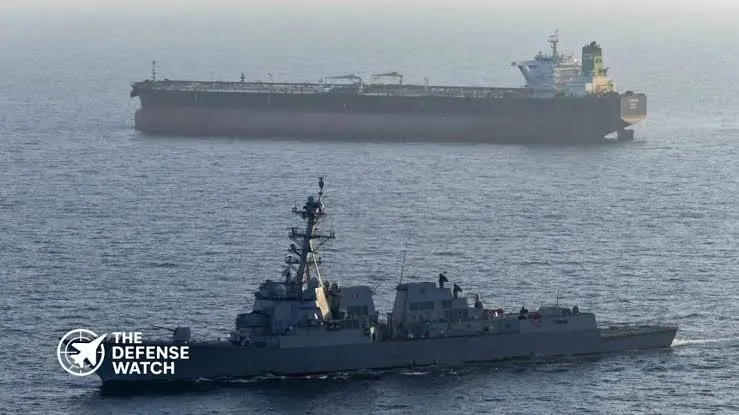
Second, global supply chains will adjust to the “new normal” of Persian Gulf navigation. If the 60-day window concludes successfully without a return to kinetic strikes, global maritime insurance premiums will plummet, bringing down the shipping costs of consumer goods worldwide. However, if talks stall, the US military has warned it remains operationally prepared to resume its maximum pressure strategy, meaning the stakes could not be higher.
FAQs
What is the primary goal of the 2026 Iran US agreement?
The primary goal of the agreement, established via the Islamabad Memorandum, is to immediately halt military hostilities between the US, Israel, and Iran, permanently reopen global shipping lanes in the Strait of Hormuz, and establish a 60-day diplomatic framework to negotiate a lasting peace treaty.
What does the US gain from the Islamabad Memorandum?
The United States secures an affirmative commitment from Iran to halt its pursuit of nuclear weapons material, an immediate end to drone and missile threats against US bases and regional allies, and the stabilization of global oil shipping lanes to reduce domestic energy costs.
What does Iran receive in exchange for the agreement?
Iran receives conditional relief from crippling economic sanctions, the unfreezing of its state assets held abroad, the removal of the US naval blockade on its ports, and access to a proposed $300 billion international reconstruction fund to repair damaged domestic infrastructure.
Who mediated the 2026 US-Iran negotiations?
The negotiations were primarily mediated by Pakistan, with Prime Minister Shehbaz Sharif hosting final text discussions in Islamabad. Additional critical diplomatic support and communication channels were managed by Qatar, Egypt, and Oman.
Is the current Iran-US ceasefire fully stable?
The ceasefire remains highly fragile. While both executive branches have committed to the framework and agreed to cease attacks, domestic political opposition from hardliners in both countries and minor, localized maritime incidents continue to test the boundaries of the truce.
Final Thoughts
The current Iran-US agreement represents an incredibly complex, high-stakes gamble on diplomacy over destruction. While the Islamabad Memorandum remains a fragile, general document, it has successfully pulled two heavily armed adversaries away from the precipice of an all-out war, providing tangible relief to global energy corridors.
As these critical 60 days unfold, staying informed with objective, humanized analysis is more important than ever. If you have questions about how shifting global policies affect international travel, markets, or security frameworks, please feel free to contact TrendCivix directly. We invite you to explore our Politics category daily as our team continues to track, verify, and break down the world’s most critical turning points.