
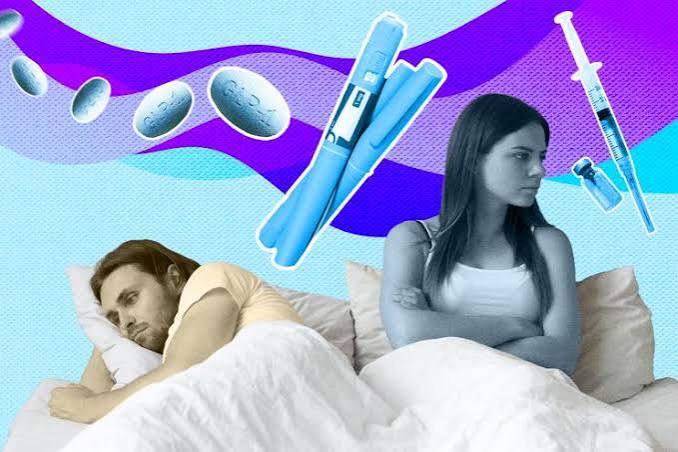

GLP-1 weight-loss drugs have transformed the treatment of obesity and type 2 diabetes. Medications such as Ozempic, Wegovy, Mounjaro and Zepbound can reduce appetite, improve blood-sugar control and help some patients achieve significant weight loss.
However, as more people use these medications, questions are emerging about their effects beyond the digestive system. One increasingly common concern is whether GLP-1 weight-loss drugs can affect sexual desire, erectile function, orgasm, hormones or overall intimacy.

The current answer is not completely straightforward.
Some people report reduced libido or changes in sexual function after starting treatment. Others experience an improvement in their sex life because weight loss, better metabolic health and greater confidence can support sexual well-being. At present, sexual dysfunction is not considered one of the most established or commonly listed side effects of GLP-1 medications, and the available research remains limited and sometimes conflicting.
This guide explains what is currently known about GLP-1 sexual side effects, why different people may have different experiences and when a change in sexual health should be discussed with a doctor.
Medical notice: This article is for general information only. Do not stop, reduce or change a prescribed medication without consulting a qualified healthcare professional.
What Are GLP-1 Weight-Loss Drugs?
GLP-1 stands for glucagon-like peptide-1, a naturally occurring hormone involved in appetite, digestion and blood-sugar regulation.
GLP-1 receptor agonists imitate some of the actions of this hormone. Depending on the medication, they may:
- Help the pancreas release insulin when blood sugar is elevated
- Reduce glucagon production
- Slow the movement of food through the stomach
- Increase feelings of fullness
- Reduce appetite and calorie intake
Semaglutide is used in medications such as Ozempic, Wegovy and Rybelsus, while tirzepatide is used in Mounjaro and Zepbound. Tirzepatide acts on both GLP-1 and glucose-dependent insulinotropic polypeptide receptors.
These medicines are primarily used for type 2 diabetes, obesity or weight management in eligible patients. Their commonly recognized side effects are mainly gastrointestinal, including nausea, vomiting, diarrhea, constipation and abdominal discomfort. Sexual dysfunction is not currently regarded as a routine or clearly established class-wide adverse effect.
Readers who need a broader explanation of these medicines can review this guide to GLP-1 weight-loss drugs in 2026, including their benefits, common risks and safety considerations.
Can GLP-1 Drugs Lower Sex Drive?
Some patients have reported a decrease in sexual interest after beginning a GLP-1 medication. However, scientists have not yet established that these drugs directly and consistently cause low libido.
Sexual desire is influenced by many interconnected factors, including:
- Hormone levels
- Mental health
- Relationship quality
- Stress and anxiety
- Sleep
- Energy levels
- Body image
- Other medications
- Diabetes and cardiovascular health
- Menopause or reproductive changes
A person who notices reduced desire after starting semaglutide or tirzepatide may assume that the medication is responsible. That may be possible, but timing alone does not prove direct causation.
For example, nausea, fatigue, reduced food intake or dehydration may temporarily make someone less interested in sex. Rapid physical changes can also affect mood and body image. In other cases, low libido may be linked to an existing medical condition rather than the GLP-1 medicine itself.
A 2025 clinical review proposed that GLP-1 medicines might influence brain reward and serotonin pathways involved in desire. The authors emphasized that this is an emerging theory rather than settled proof and that more research is required.
Why GLP-1 Drugs Might Affect the Brain’s Reward System
GLP-1 medicines do more than slow digestion. They may also influence areas of the brain involved in appetite, reward and motivation.
This may help explain why some people report less interest not only in food but also in alcohol, smoking or other reward-seeking behaviors. Researchers are investigating whether sexual desire may sometimes be affected through similar pathways.
Sexual interest is not controlled by one hormone or one part of the brain. It is a complex response involving physical attraction, emotional connection, stress, hormones, energy and reward processing.
Therefore, even when a person notices a change, it may not be possible to identify one simple cause.
One published case report described anorgasmia—difficulty or inability to reach orgasm—after the initiation of a GLP-1 agonist. A case report can identify a possible safety signal, but it cannot establish how common the problem is or prove that the medicine caused it.
GLP-1 Drugs and Erectile Dysfunction
The relationship between GLP-1 drugs and erectile dysfunction is especially complicated because obesity and type 2 diabetes themselves are major risk factors for erectile problems.
High blood sugar can damage nerves and blood vessels. Obesity is associated with inflammation, cardiovascular disease, reduced testosterone and poor circulation. All of these issues may make it harder to achieve or maintain an erection.
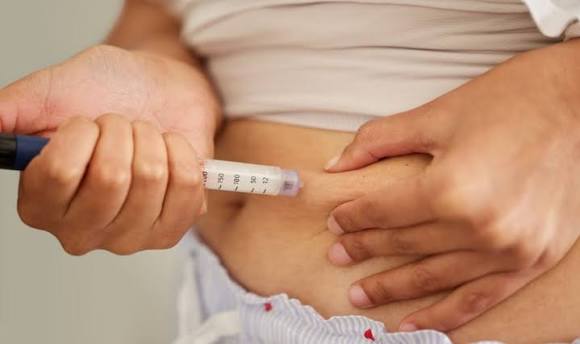
For this reason, successful weight loss and improved diabetes control could potentially support erectile function.
Some research has found that GLP-1 receptor agonist treatment may improve erectile function in men with type 2 diabetes, possibly through better vascular and metabolic health. One study reported improved erectile outcomes when a GLP-1 medicine was combined with metformin compared with metformin alone.
A longer-term analysis of dulaglutide also suggested that treatment might reduce the incidence of moderate or severe erectile dysfunction in some men with type 2 diabetes.
However, other research using adverse-event reporting data has identified reports of male sexual dysfunction among GLP-1 users. Adverse-event databases can help identify potential concerns, but they generally cannot prove that a medicine caused the reported problem.
The evidence therefore does not support a simple conclusion that GLP-1 drugs either cause or prevent erectile dysfunction in every patient.
Can GLP-1 Drugs Improve Testosterone?
Obesity can contribute to lower testosterone levels in men. Excess body fat, insulin resistance, sleep apnea, inflammation and other metabolic factors may interfere with normal hormone production.
Weight loss may help reverse some of these effects.
Research presented at the Endocrine Society’s ENDO 2026 meeting suggested that GLP-1 treatment may improve testosterone levels and certain measures of sperm quality in men with obesity-related low testosterone. The findings did not establish GLP-1 medicines as fertility or testosterone treatments, but they indicated that improved metabolic health may benefit male reproductive function.
A 2026 review similarly concluded that GLP-1 receptor agonists may improve testosterone and potentially semen quality in men with metabolic disorders, although further studies are still needed.
Higher testosterone does not automatically guarantee a stronger sex drive. Libido can still be affected by stress, depression, relationship concerns, medications and other health conditions.
How GLP-1 Drugs May Affect Women’s Sexual Health
Research specifically examining GLP-1 medicines and female sexual function is still limited.
Women may experience changes involving:
- Sexual desire
- Vaginal dryness
- Arousal
- Comfort during intercourse
- Ability to reach orgasm
- Menstrual patterns
- Body image
- Energy and mood
These symptoms can also be connected to menopause, hormonal contraception, antidepressants, thyroid disorders, relationship stress and other medical issues.
A woman experiencing low libido while taking a GLP-1 medicine should not automatically assume that she needs a sexual-enhancement product. The first step should be identifying the underlying cause.
For a general overview of available options and their risks, readers can explore this guide to sexual enhancers, their types and safety considerations. Prescription medicines, supplements and topical products can affect people differently and may interact with existing treatments.
Why Some People Report a Better Sex Life
Although online discussions often focus on negative side effects, GLP-1 treatment may improve sexual health for some patients.
Potential reasons include:
Improved confidence
Weight loss may help some people feel more comfortable with their bodies. Greater confidence can support intimacy, communication and sexual interest.
However, weight loss does not automatically improve self-image. Some individuals may struggle with loose skin, rapid appearance changes or anxiety about maintaining their results.
Better blood-sugar control
Poorly controlled diabetes can damage blood vessels and nerves involved in sexual function. Better glucose management may therefore improve certain sexual symptoms.
Increased mobility and stamina
Losing excess weight may make movement easier, reduce joint discomfort and increase physical endurance.
Improved cardiovascular health
Sexual arousal depends partly on healthy circulation. Improvements in blood pressure, inflammation and cardiovascular risk may support sexual function.
Hormonal improvements
In men with obesity-related low testosterone, weight loss may help normalize hormone levels. Women with metabolic or reproductive conditions may also experience hormonal changes, although individual results vary.
Reduced medication burden
Some patients who improve their metabolic health may eventually need changes to other medicines under medical supervision. Because certain antidepressants, blood-pressure drugs and other treatments can affect sexual function, a doctor-led adjustment may improve symptoms.
Can Rapid Weight Loss Reduce Libido?
Rapid weight loss can sometimes create short-term physical stress.
If a person is eating too little, losing muscle, becoming dehydrated or developing nutritional deficiencies, they may experience:
- Fatigue
- Weakness
- Low mood
- Poor sleep
- Hair loss
- Hormonal disruption
- Reduced sexual desire
These effects may not be caused directly by the GLP-1 mechanism. Instead, they may result from inadequate calorie, protein, vitamin or mineral intake during weight loss.
GLP-1 medicines are designed to reduce appetite, but patients still need balanced nutrition. A clinician or registered dietitian may recommend appropriate protein intake, resistance training and nutritional monitoring, particularly during substantial weight loss.
Are Sexual Problems an Officially Recognized Side Effect?
The most commonly documented adverse effects of semaglutide and similar medicines involve the digestive system. Sexual dysfunction is not currently among the best-established common reactions described in standard clinical summaries.
That does not mean that a patient’s experience should be dismissed.
Rare, indirect or previously overlooked effects may become clearer after a medicine is used by a much larger population. Researchers use clinical trials, case reports, medical records and adverse-event reporting systems to evaluate emerging concerns.
At the moment, the available evidence is not strong enough to calculate a reliable percentage of GLP-1 users who experience sexual side effects.
Should You Use Sexual Enhancers While Taking GLP-1 Drugs?
People experiencing libido or performance concerns may be tempted to purchase supplements, erectile dysfunction medicines or products advertised online.
This can be risky without medical advice.
Some sexual-enhancement supplements contain undeclared pharmaceutical ingredients. Others may affect blood pressure, heart rate, glucose control or medication absorption. Prescription erectile dysfunction drugs can also be unsafe for people taking nitrates or dealing with certain cardiovascular conditions.
Commercial interest in these products is increasing, as explained in this overview of high-demand sexual enhancers in 2026. However, market popularity does not prove that every product is safe or effective.
A healthcare professional should review:
- The exact symptom
- When it started
- Current GLP-1 dose
- Other medications and supplements
- Diabetes control
- Blood pressure
- Hormone levels
- Mental health
- Relationship or stress factors
- Possible nutritional deficiencies
Treatment should focus on the cause rather than only the symptom.
What Should You Do if Your Sex Drive Changes?
Do not stop your GLP-1 medication suddenly without medical guidance.
Instead, keep a short record of:
- When the symptom began
- Whether it started after a dose increase
- Changes in mood, sleep or energy
- Nausea or reduced eating
- Erectile or orgasm difficulties
- Menstrual changes
- Other recently started medicines
- Relationship or emotional stress
This information may help your doctor understand the pattern.
Depending on the situation, a clinician may assess blood sugar, testosterone, thyroid function, iron, vitamin levels, cardiovascular health or mental-health factors. They may also review the medication dose or recommend support from a sexual-health specialist.
When Should You Contact a Doctor?
Speak with a healthcare professional when:
- Sexual changes are persistent or distressing
- Erectile problems develop suddenly
- You experience pain during sex
- Libido changes are accompanied by depression
- You have extreme fatigue or weakness
- Menstrual patterns change significantly
- You suspect a hormonal problem
- Symptoms began after a dose increase
- You are considering sexual-enhancement supplements
- The problem is affecting your relationship or quality of life
Sudden erectile dysfunction can occasionally be associated with cardiovascular problems, particularly in people with diabetes, high blood pressure or other risk factors. It should not always be treated as only a sexual issue.
Frequently Asked Questions
Does Ozempic cause low libido?
Low libido is not currently considered one of the most established common side effects of Ozempic. Some patients report changes in desire, but evidence of a direct causal connection remains limited.
Can Wegovy cause erectile dysfunction?
Research is mixed. Some reports have raised possible concerns, while other studies suggest that weight loss and improved vascular health may support erectile function.
Can Mounjaro improve sex drive?
It may improve sexual well-being indirectly in some people through weight loss, better blood-sugar control, increased confidence or improved hormone levels. Results vary.
Do GLP-1 drugs affect orgasm?
A small number of reports have described orgasm difficulties, but there is not enough evidence to determine how frequently this happens or whether GLP-1 drugs directly cause it.
Can GLP-1 drugs increase testosterone?
Weight loss associated with GLP-1 treatment may improve testosterone in men with obesity-related low testosterone. These medicines are not specifically approved as testosterone treatments.
Should I stop my medication if my libido decreases?
No medication should be stopped or changed without speaking to the prescribing clinician. Low libido may have several possible causes.