
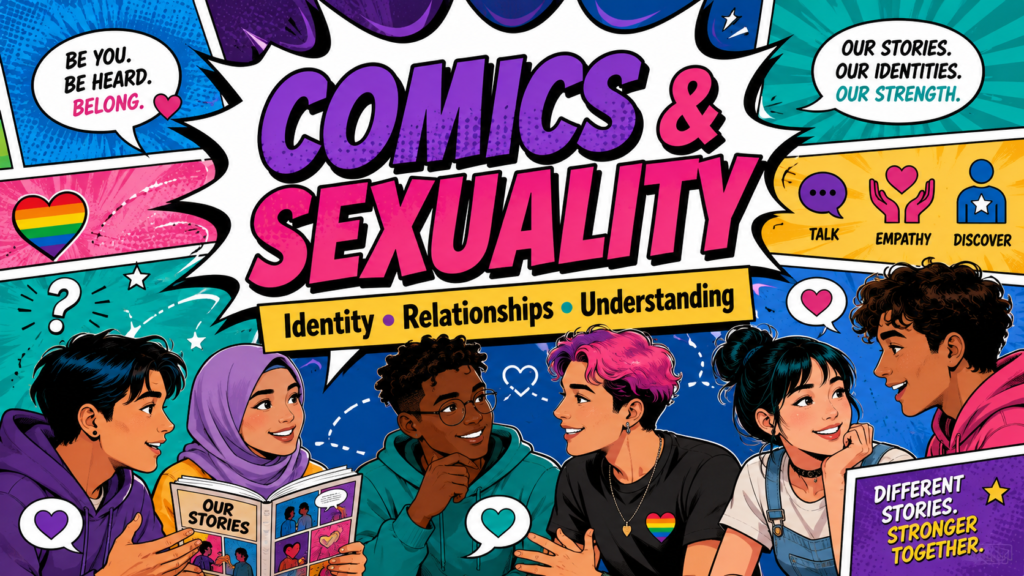

Sexuality, identity, and relationships can be difficult topics to understand and discuss. Many people feel confused, uncomfortable, or even afraid to ask questions about attraction, gender identity, personal boundaries, relationships, and emotional wellbeing. Traditional educational material can sometimes feel too formal, complicated, or disconnected from real-life experiences.
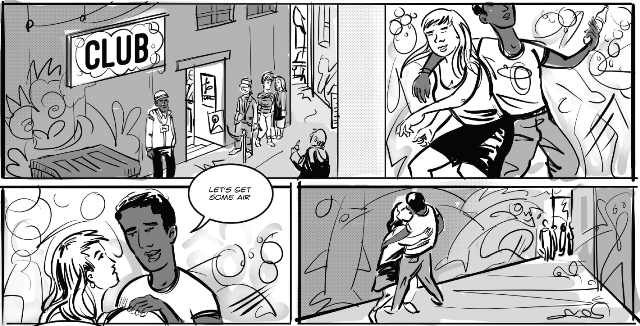
Comics offer a different way to explore these subjects. By combining illustrations, dialogue, emotions, characters, and storytelling, comics can make sensitive topics easier to understand. They allow readers to see situations from different perspectives and learn through stories rather than through complex explanations.
Educational comics about sexuality and identity are not only created for entertainment. They can also support awareness, empathy, communication, and self-understanding. When presented responsibly, comics can help people learn about themselves and better understand the experiences of others.
Why Comics Are Effective Learning Tools
Comics communicate information through both words and images. This combination makes them easier to follow than long blocks of text. Readers can understand emotions through facial expressions, body language, colours, and visual storytelling.
A character’s confusion, fear, happiness, or uncertainty can be shown directly in an illustration. This helps readers emotionally connect with the situation.
For example, a comic about someone questioning their identity may show the character struggling to express their feelings, talking to a trusted friend, and gradually becoming more confident. A written definition may explain identity, but a story can show what that experience may feel like.
Comics are especially useful for readers who prefer visual learning. They can simplify complex ideas without removing their emotional importance.
Making Sexuality Easier to Understand
Sexuality is a broad topic. It may include attraction, orientation, emotional connection, personal values, consent, sexual health, and individual experiences. People often misunderstand sexuality because of limited education, stereotypes, or social pressure.
Comics can explain these subjects through realistic characters and relatable situations. Instead of only providing definitions, they can show how people experience attraction, confusion, acceptance, rejection, or personal growth.
A well-written comic may explain that people do not all experience attraction in the same way. Some people may understand their sexuality at a young age, while others may need more time. Some may feel confident about their identity, while others may continue exploring it.
By presenting different experiences, comics can help readers understand that there is no single way to experience sexuality.
However, educational comics should present these topics carefully and responsibly. They should avoid harmful stereotypes, inaccurate information, or overly simplified messages.
Helping Readers Explore Identity
Identity is made up of many parts. It may include personality, values, culture, beliefs, gender identity, sexuality, interests, and life experiences. Understanding identity can be a long process, especially during teenage years and early adulthood.
Comics can create a safe distance between the reader and the subject. Instead of immediately thinking about their own life, readers can first observe a fictional character.
They may see a character questioning how they want to express themselves, dealing with expectations from family, or deciding whether to share something personal with others. This can help readers process similar emotions without feeling directly pressured.
Representation also matters. When people see characters who share similar experiences, they may feel less isolated. A reader who has never seen their feelings represented in books, television, or school material may gain comfort from seeing a respectful and realistic character.
At the same time, readers can learn about identities different from their own. This can reduce judgment and improve understanding.
Challenging Stereotypes and Misconceptions
Many harmful ideas about sexuality and identity are based on stereotypes. These stereotypes may come from social media, movies, family beliefs, or incomplete education.
Comics can challenge these misconceptions by presenting characters as complete human beings rather than labels. A character may have an identity that is important to their story, but they can also have hobbies, career goals, family responsibilities, humour, fears, and ambitions.
This kind of representation reminds readers that identity is only one part of a person’s life.
Comics can also show how stereotypes affect people. A story may demonstrate how insensitive comments, assumptions, bullying, or exclusion can damage someone’s confidence and mental wellbeing.
When readers see the consequences of harmful behaviour, they may become more careful about their own words and actions.
Teaching Healthy Relationship Skills
Relationships are another important topic that comics can explain effectively. Healthy relationships require communication, respect, trust, honesty, boundaries, and emotional awareness.
These ideas can sound simple, but applying them in real life is not always easy.
Comics can show both healthy and unhealthy relationship situations. For example, one story may show two characters communicating openly about their feelings. Another may show a character ignoring boundaries or trying to control their partner.
By comparing these situations, readers can better recognise positive and negative behaviour.
Educational comics may cover subjects such as:
- Respecting personal boundaries
- Communicating feelings honestly
- Handling disagreements calmly
- Recognising controlling behaviour
- Supporting a partner without losing personal independence
- Understanding emotional responsibility
- Ending unhealthy relationships safely
- Learning that rejection should be respected
These lessons can be useful for teenagers, young adults, parents, teachers, and anyone who wants to improve their relationship knowledge.
Explaining Consent Clearly
Consent is one of the most important parts of healthy relationships. It means freely agreeing to something without pressure, fear, manipulation, or force.
Comics can make consent easier to understand by showing real-life situations. They can demonstrate that consent should be clear, voluntary, informed, and ongoing.
A comic can show that a person has the right to change their mind. It can also explain that silence, discomfort, fear, or lack of resistance should not automatically be treated as agreement.
Visual storytelling can help readers recognise body language and emotional reactions. However, educational material should always explain that verbal and clear communication is important because body language alone can sometimes be misunderstood.
Comics can also show how to respond respectfully when someone says no. This helps readers understand that rejection should not lead to anger, pressure, embarrassment, or revenge.
Encouraging Empathy Through Different Perspectives
One of the greatest strengths of comics is their ability to place readers inside another person’s experience.
A comic may show events from the perspective of someone who feels misunderstood, excluded, pressured, or uncertain. By following the character’s thoughts and emotions, readers can develop empathy.
For example, a story about someone deciding whether to discuss their identity with family can show both hope and fear. Readers may better understand why someone might need time, privacy, and emotional support.
Comics can also present multiple perspectives in the same story. This allows readers to see how misunderstandings happen and how honest communication can improve relationships.
Empathy does not require readers to have the same identity or experiences as the characters. It simply helps them recognise that other people’s feelings and struggles are real.
Creating Safe Opportunities for Discussion
Sensitive subjects are often easier to discuss when people have a story to refer to.
Parents, teachers, counsellors, and community educators may use age-appropriate comics to start conversations about identity, relationships, respect, and personal safety.
Instead of asking a young person a highly personal question, an adult can ask what they think about a character’s choices. This can make the conversation feel less uncomfortable.
Questions may include:
- Was the character treated respectfully?
- What could the characters have communicated more clearly?
- Did someone ignore another person’s boundaries?
- How could a trusted adult have helped?
- What would a healthy response look like?
These discussions can help readers develop critical-thinking skills without forcing them to reveal private information.
Supporting People Who Feel Isolated
People who are questioning their sexuality or identity may sometimes feel alone. They may believe no one else understands their experience.
Comics can provide emotional reassurance by showing characters going through similar uncertainty. They can communicate that confusion is not unusual and that people deserve respect while learning about themselves.
Stories can also introduce supportive resources such as trusted adults, counsellors, support groups, healthcare professionals, or reliable educational organisations.
However, comics should not replace professional support. A story can provide comfort and information, but anyone experiencing serious emotional distress, abuse, pressure, or safety concerns may need help from a qualified professional or trusted adult.
The Importance of Accurate and Responsible Representation
Not every comic about sexuality or relationships is educational or reliable. Some may contain stereotypes, unrealistic behaviour, explicit material, or inaccurate health information.
Readers should consider who created the comic, what its purpose is, and whether its information is supported by credible sources.
Responsible educational comics should:
- Use respectful and inclusive language
- Avoid presenting stereotypes as facts
- Explain consent and boundaries clearly
- Match the content to the intended age group
- Avoid romanticising abuse or controlling behaviour
- Encourage healthy communication
- Provide accurate information
- Recommend professional help where appropriate
Creators should also remember that sensitive topics affect real people. Characters should be written with depth, care, and respect.
Comics and Age-Appropriate Education
Comics can be used for different age groups, but the content must be appropriate for the reader’s maturity level.
Younger readers may benefit from simple comics about friendship, respect, emotions, privacy, and personal boundaries. Teenagers may explore communication, identity, peer pressure, consent, and healthy relationships. Adult readers may engage with more complex discussions about long-term relationships, social expectations, discrimination, and personal growth.
Age-appropriate education does not mean avoiding important topics. It means explaining them in a way that is understandable, respectful, and suitable for the reader.
Parents and educators should review materials before sharing them with children or students.
Encouraging Self-Reflection
Comics can also help readers think about their own attitudes and behaviour.
A story may encourage someone to ask whether they communicate respectfully, make assumptions about others, or recognise unhealthy relationship patterns. It may help them notice how social pressure affects their decisions.
Self-reflection can lead to better emotional awareness and stronger relationships. Readers may learn to communicate more openly, respect differences, and ask for help when they feel unsafe or confused.
Comics do not always provide a perfect answer. Sometimes their purpose is to help readers ask better questions.
The Future of Educational Comics
Digital platforms have made comics more accessible than ever. Webcomics, illustrated guides, social media slides, and interactive stories can reach readers across different countries and cultures.
Educators and health organisations are also using illustrated content to explain topics that may otherwise feel difficult or overwhelming.
In the future, comics may become an even more important part of relationship and identity education. Their effectiveness will depend on accuracy, thoughtful storytelling, inclusivity, and responsible design.
Creators should work with educators, healthcare professionals, counsellors, and people with relevant lived experiences when developing sensitive educational content.
Conclusion
Comics can play a valuable role in helping people understand sexuality, identity, and relationships. They make complicated subjects more visual, relatable, and emotionally understandable.
Through realistic characters and meaningful stories, comics can teach communication, consent, boundaries, empathy, self-awareness, and respect. They can help readers recognise unhealthy behaviour, challenge stereotypes, and feel less alone.
However, comics should be selected carefully. Accurate information, responsible representation, age-appropriate content, and respectful storytelling are essential.
When used responsibly, comics are more than entertainment. They can become powerful educational tools that encourage understanding, healthier relationships, and greater acceptance of human differences.
Frequently Asked Questions
1. What are sexuality comics?
Sexuality comics are illustrated stories or educational materials that discuss topics such as attraction, sexual orientation, gender identity, relationships, consent, personal boundaries, and sexual health. Some are educational, while others may be created mainly for entertainment.
2. Can comics really help people understand identity?
Yes. Comics combine images, dialogue, and storytelling, which can make identity-related experiences easier to understand. They also allow readers to connect emotionally with characters and explore perspectives different from their own.
3. Are sexuality comics suitable for teenagers?
Some are suitable for teenagers, but the material should be age-appropriate, educational, accurate, and respectful. Parents, teachers, or guardians should review the content before recommending it to younger readers.
4. How can comics teach healthy relationships?
Comics can show examples of communication, trust, consent, boundaries, conflict, respect, and emotional responsibility. They can also demonstrate the differences between healthy and controlling behaviour.
5. How can readers identify reliable educational comics?
Readers should check who created the comic, whether the information comes from credible sources, and whether the story promotes respect, consent, inclusion, and healthy communication. Comics that contain harmful stereotypes or inaccurate health information should not be treated as educational resources.