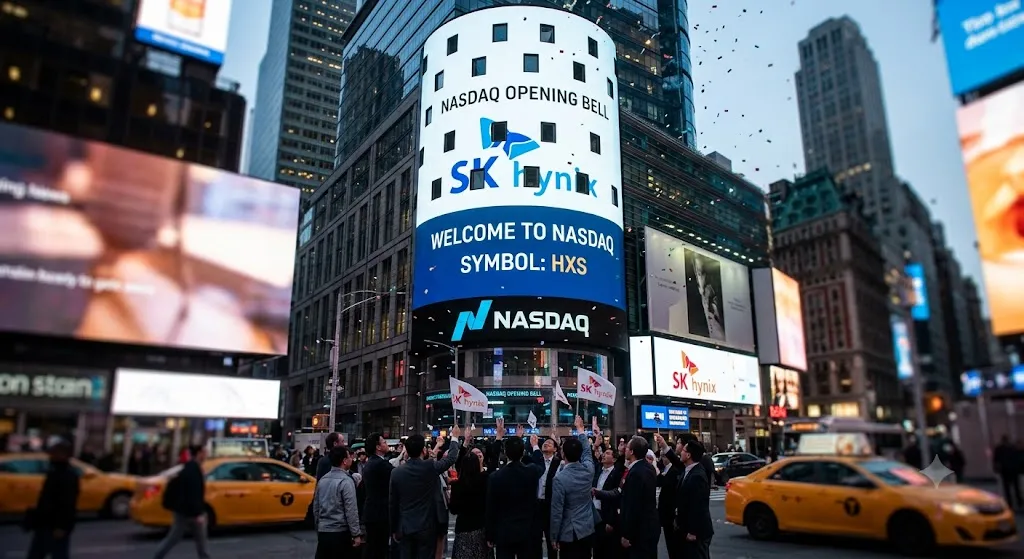

Navigating the SK Hynix Nasdaq debut is crucial if you want to understand the future of artificial intelligence hardware and the booming semiconductor market. If you have been wondering how the massive AI algorithms powering today’s digital world actually function behind the scenes, the answer lies in high-performance memory chips.
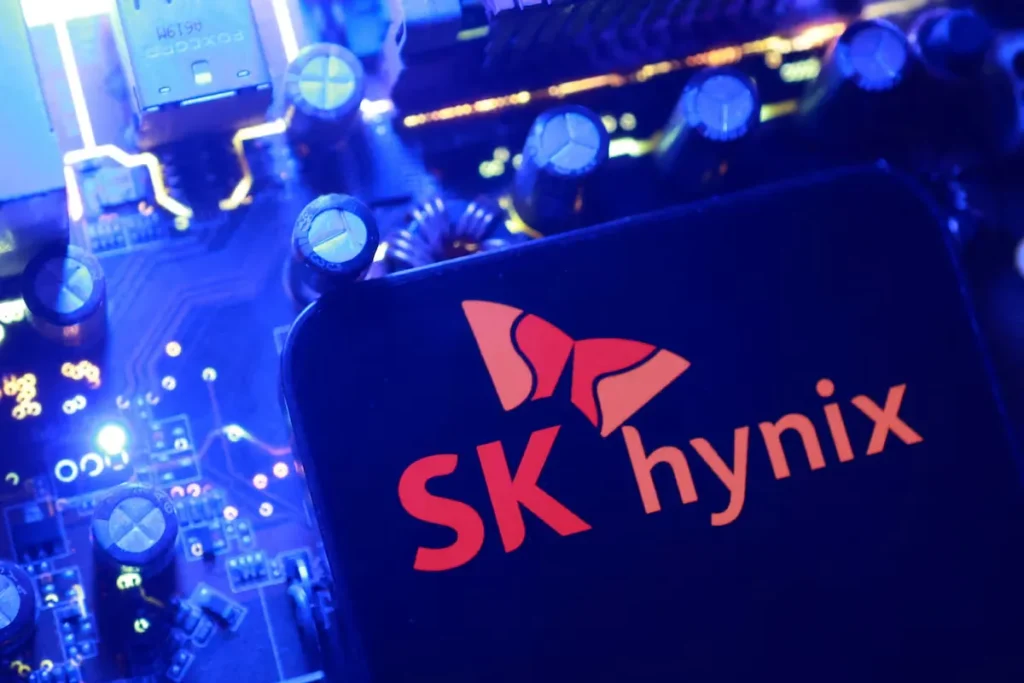
As the leading provider of these critical components, SK Hynix’s entrance onto the US market stage is a monumental shift. In this article, we will break down exactly what this move means for tech enthusiasts, market watchers, and the broader digital landscape.
Quick Answer
The SK Hynix Nasdaq debut is the strategic introduction of the South Korean semiconductor giant to the US stock exchange. By listing on the Nasdaq, SK Hynix increases global investor access, boosts its capital for research and development, and solidifies its dominance in the High Bandwidth Memory (HBM) market that powers modern artificial intelligence.
What Is the SK Hynix Nasdaq Debut?
To grasp the magnitude of this event, we first need to look at who SK Hynix is. Based in South Korea, SK Hynix is one of the world’s largest memory chipmakers, specializing in Dynamic Random Access Memory (DRAM) and NAND flash memory. More importantly, they are the undisputed pioneers of High Bandwidth Memory (HBM)-the specific type of hyper-fast memory required to run advanced AI processors like those made by Nvidia.
Historically, SK Hynix traded primarily on the Korea Exchange. A Nasdaq debut (often structured via American Depositary Receipts, or ADRs) allows the company’s shares to be traded directly on a major US exchange. This bridges the gap between Asian hardware manufacturing and American capital markets, creating a streamlined pipeline for tech investment.
Why the SK Hynix Nasdaq Debut Matters
The tech world is currently undergoing an AI super-cycle, and hardware is the bottleneck. The software is only as good as the chips that run it. Just as AI software is becoming deeply integrated into our daily lives-a topic we explored in our comprehensive ChatGPT for Families Guide-the physical hardware must scale to meet this immense demand.
This debut matters because it injects massive liquidity into the very top of the AI supply chain. When SK Hynix gains easier access to US capital, they can build more fabrication plants (fabs), hire more top-tier engineers, and accelerate the development of next-generation chips. For the everyday tech user, this translates to faster, smarter, and more capable AI applications in the near future.
Key Benefits of the SK Hynix Nasdaq Debut
This financial milestone brings a wealth of advantages to the tech ecosystem:
- Accelerated AI Innovation: Increased funding directly supports the research and development of faster, more efficient memory chips like HBM4 and beyond.
- Greater Market Transparency: Trading on the Nasdaq requires strict adherence to US Securities and Exchange Commission (SEC) reporting standards, giving the public a clearer view of the company’s financial health.
- Strengthened US Supply Chains: With better access to American capital, SK Hynix can further its investments on US soil, such as advanced packaging facilities, reducing reliance on overseas logistics.
- Easier Access for Global Investors: Retail and institutional investors can now easily add the world’s leading AI memory maker to their portfolios without navigating foreign exchanges.
Step-by-Step Guide: How a Nasdaq Listing Works for Foreign Tech Giants
Understanding how a massive international company makes its way to the Nasdaq can help you demystify the financial news. Here is the typical roadmap:
- Regulatory Filing: The company files rigorous financial documentation with the SEC to ensure they meet US transparency and accounting standards.
- Structuring the Asset: For a company like SK Hynix, they often issue American Depositary Receipts (ADRs). A US bank buys shares on the foreign exchange and issues ADRs on the Nasdaq representing those shares.
- The Roadshow: Executives pitch the company to institutional investors in the US, highlighting their dominance in the AI memory sector to drum up interest.
- Pricing and Bell Ringing: The initial price is set based on demand, and the company officially begins trading on the Nasdaq, often marked by the iconic bell-ringing ceremony.
Best Practices and Expert Tips for Tech Enthusiasts
If you are tracking the SK Hynix Nasdaq debut to stay ahead of tech trends, keep these expert tips in mind:
- Look Beyond the Hype: While AI is trending, remember that semiconductor manufacturing is cyclical. Focus on long-term growth and technological milestones rather than day-to-day market fluctuations.
- Monitor the Ecosystem: SK Hynix does not operate in a vacuum. Keep an eye on their primary partners (like Nvidia and AMD) and direct competitors (like Micron and Samsung) to understand the full market picture.
- Understand the Tech: Familiarize yourself with the difference between standard DRAM (used in everyday laptops) and HBM (used in massive AI data centers). SK Hynix’s edge is strictly in the latter.
Common Mistakes to Avoid
When analyzing massive tech industry shifts, it is easy to fall into a few common traps:
- Ignoring Geopolitics: The semiconductor industry is heavily influenced by international trade policies, export bans, and government subsidies. Never analyze a chipmaker without considering the global political landscape.
- Confusing Revenue with Capacity: Just because a company has massive revenue doesn’t mean they can instantly meet demand. Building a new chip factory takes years and billions of dollars.
- Overlooking the Supply Chain: SK Hynix relies on raw materials, specialized machinery (like ASML lithography machines), and packaging partners. A bottleneck anywhere in this chain affects the final output.
Future Trends: What to Expect Post-Debut
As the dust settles on the SK Hynix Nasdaq debut, the future looks exceptionally fast-paced. We anticipate a rapid acceleration in the development of customized memory solutions tailored specifically for individual tech giants. Instead of one-size-fits-all chips, SK Hynix will likely partner closely with major US tech firms to co-design memory architectures that perfectly match their proprietary AI processors.
Furthermore, expect to see an expansion of SK Hynix’s physical footprint in the United States. Driven by incentives like the US CHIPS Act, the company will likely build more advanced packaging facilities closer to its American clients, bridging the geographical gap between memory production and AI processor assembly.
Final Thoughts
The SK Hynix Nasdaq debut is much more than just a financial headline; it is a critical milestone in the ongoing artificial intelligence revolution. By bringing the world’s leading supplier of high-bandwidth memory to the forefront of the US market, this move ensures that the hardware powering our digital future receives the capital and visibility it deserves. Whether you are an investor, a tech professional, or simply a curious observer, keeping an eye on SK Hynix is essential for understanding where technology is heading next.
We are committed to bringing you the most actionable, humanized, and up-to-date tech insights. If you have questions about the semiconductor industry, AI developments, or want to share your thoughts on this topic, please don’t hesitate to contact us. We’d love to hear from you!
FAQs
1. What is the SK Hynix Nasdaq debut? The SK Hynix Nasdaq debut refers to the South Korean semiconductor giant’s move to list its shares on the US Nasdaq exchange. This allows US and global investors easier access to trade the stock of the world’s leading AI memory chip provider.
2. Why is SK Hynix important for artificial intelligence? SK Hynix is crucial for AI because they are the leading manufacturer of High Bandwidth Memory (HBM). These specialized, ultra-fast memory chips are strictly required to operate advanced AI processors, such as those designed by Nvidia.
3. How does a Nasdaq listing benefit a foreign tech company? Listing on the Nasdaq provides a foreign tech company with access to a massive pool of US investment capital, increases global brand visibility, improves market liquidity, and solidifies trust through strict SEC regulatory compliance.
4. What is High Bandwidth Memory (HBM)? High Bandwidth Memory (HBM) is an advanced type of computer memory interface that stacks chips vertically. This design drastically increases data processing speeds while consuming less power, making it the perfect solution for heavy AI workloads.
5. Who are SK Hynix’s main competitors? SK Hynix’s primary competitors in the global semiconductor and memory chip market are Samsung Electronics and Micron Technology. All three companies are currently racing to dominate the supply of next-generation AI memory chips.