
US Iran war live updates confirm that the Middle East is teetering on the edge of all-out escalation once again. Following a tense multi-week truce that initially paused the major hostilities of the 2026 conflict, a rapid sequence of maritime attacks and massive military counter-strikes has shattered the fragile ceasefire.
For anyone monitoring global security, international trade, or energy markets, staying informed through these US Iran war live updates is no longer optional-it is critical.
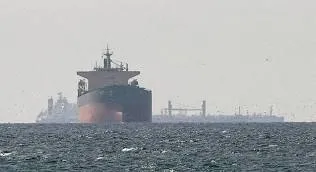
The April 2026 ceasefire between the United States and Iran has collapsed after the US military launched over 80 retaliatory strikes on Iranian weapon sites and ports. This action followed Iranian drone and missile attacks on three commercial tankers in the Strait of Hormuz. Iran has since responded by firing missiles at US military facilities in Bahrain and Kuwait.
What Is the Current US-Iran Conflict?
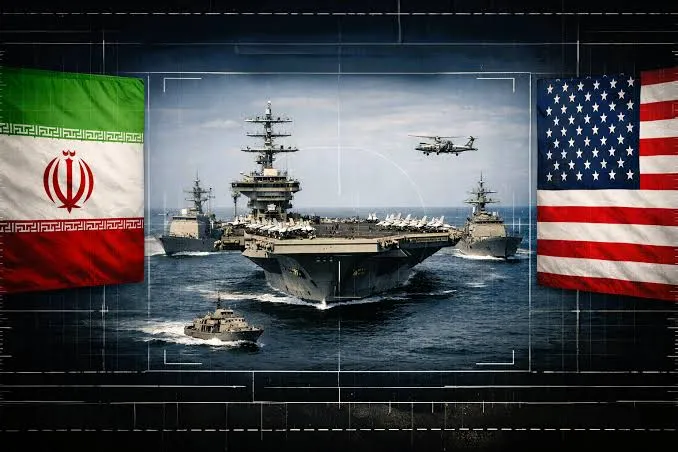
The current crisis represents an active military conflict involving direct kinetic engagements between American armed forces, Israel, Iran, and regional proxy networks. Unlike historical shadow wars, this situation features direct state-on-state combat. The initial war erupted on February 28, 2026, under Operation Epic Fury, causing widespread infrastructure damage and significant changes in leadership across the region.
The latest escalation centers entirely on the strategic shipping lanes of the Persian Gulf. Following a period of relative calm under a June memorandum of understanding (MOU), severe clashes broke out when commercial vessels attempting to transit the region outside of Tehran’s mandated corridors were struck by projectiles. This immediately reignited direct military responses from both Washington and Tehran.
Why the Strait of Hormuz Crisis Matters Globally
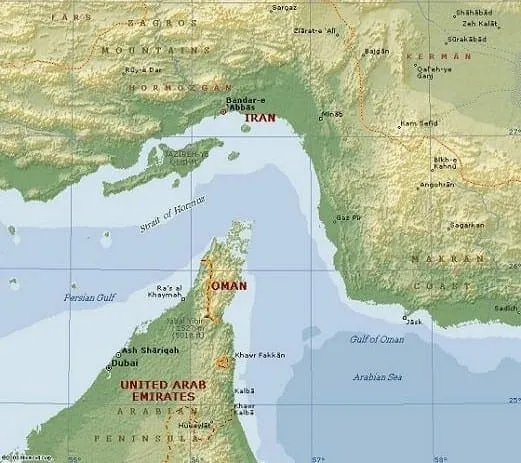
This escalation is not just a localized regional dispute; it has immediate, far-reaching consequences for the entire global economy. The Strait of Hormuz serves as the world’s most critical energy chokepoint, carrying roughly one-fifth of global petroleum and liquefied natural gas (LNG) supplies during peacetime.
When trade through this channel is disrupted, the impacts are felt instantly worldwide:
- Energy Security: Global oil and natural gas prices experience extreme volatility.
- Supply Chain Pressures: Maritime shipping companies must reroute vessels around Africa, dramatically increasing transport times and retail costs.
- Geopolitical Risk: The potential involvement of neighboring Gulf states creates a high risk of an expanded regional conflict.

Key Takeaways from the Latest Escalation
Understanding the core facts of the current situation is vital for evaluating where this conflict may head next:
- Massive US Retaliation: U.S. Central Command (CENTCOM) launched a wave of targeted strikes hitting more than 80 positions across southern Iran, focusing heavily on radar networks, air defense systems, and coastal fast-attack boats.
- Economic Penalties Reimposed: The United States immediately revoked a key oil sales waiver that had temporarily allowed Iran to trade crude openly on the international market for U.S. dollars.
- Direct Regional Counter-Strikes: Iran’s Islamic Revolutionary Guard Corps (IRGC) retaliated directly by launching waves of missiles and drones toward U.S. military facilities located in Bahrain and Kuwait, triggering widespread air raid sirens across those nations.
How the Escalation Unfolded: A Chronological Walkthrough
The transition from a fragile diplomatic truce to active missile exchanges occurred within a window of less than 48 hours. Here is how the situation rapidly deteriorated:
1. Tankers Targeted in the Strait: Tuesday Morning.
Three commercial vessels, including a high-capacity Qatari LNG transport vessel and a Saudi-flagged oil tanker, are struck by projectiles while traveling along alternative routes near the coast of Oman.
2.US Revokes Oil Waiver: Tuesday Afternoon.
Washington officially revokes the temporary sanctions waiver granted during the initial peace talks, cutting off Iran’s open access to international petroleum markets.
3. CENTCOM Launches Waves of Airstrikes: Wednesday Early Hours.
American forces strike over 80 coastal military targets, missile launch platforms, and naval assets across southern Iranian port cities including Bandar Abbas, Qeshm, and Sirik.
4. IRGC Retaliates Against Gulf Bases: Wednesday Morning.
Iran responds by targeting 85 installations across Bahrain and Kuwait with missile volleys, forcing local air defense systems into active interception mode.
Best Practices for Analyzing Geopolitical News
In an environment where breaking developments move faster than verified reports, tracking events accurately requires a disciplined approach. Use these practices to separate high-quality analysis from rumor:
- Verify via Multi-Sourced Military Reports: Cross-reference official press releases from U.S. Central Command with independent tracking documentation from organizations like the Institute for the Study of War (ISW).
- Monitor Maritime Logistics Trackers: Watch live commercial shipping transits through services like MarineTraffic to see if major logistics carriers are actively pausing or altering voyages around the Arabian Peninsula.
- Assess Official Diplomatic Context: Evaluate how major global coalitions respond. For example, recent coordination efforts among NATO foreign ministers offer clues about broader international plans.
Common Mistakes to Avoid When Following Crisis Updates
- Relying on Unverified Social Media Footage: Avoid sharing unconfirmed video clips that often feature outdated footage from entirely different conflicts.
- Assuming Instant Economic Shifts: Market pricing incorporates complex speculative buffers; do not assume a single incident will instantly dictate long-term retail fuel trends.
- Ignoring Local Diplomatic Indicators: Pay close attention to statements from regional intermediaries like Qatar or Kuwait, which frequently signal whether back-channel communications remain active.
Future Outlook: What to Expect Next
The primary focus moving forward centers on whether diplomatic channels can restore the ceasefire before the conflict expands further. The United States and its regional partners continue to resist Iran’s attempts to charge transit fees or mandate specific paths through international shipping lanes.
Concurrently, internal discussions within Iran’s leadership-following the transition to Supreme Leader Mojtaba Khamenei-will heavily influence whether the nation pursues a path of further escalation or returns to negotiations. Analysts will closely watch upcoming international summits to see if an agreement can be salvaged.
FAQs
Why did the US launch strikes against Iran?
The United States launched targeted airstrikes in response to projectile attacks on three commercial shipping vessels—including Saudi and Qatari tankers—transiting international waters in the Strait of Hormuz.
What assets were targeted by the US military?
According to U.S. Central Command, the operations focused strictly on coastal radar infrastructure, air defense facilities, anti-ship missile sites, and fast-attack vessels used to disrupt maritime traffic.
How did Iran respond to the latest airstrikes?
Iran’s Revolutionary Guards launched retaliatory missile and drone salvos directed at U.S. military installations in Bahrain and Kuwait, triggering regional air defense systems.
What happened to the Iranian oil sanctions waiver?
The United States fully revoked the temporary license that allowed Iran to sell oil on the open market, penalizing the country for violating the maritime transit terms of the interim agreement.
Is the Strait of Hormuz currently open for shipping?
While transit continues at a significantly reduced rate, high insurance costs and active military activity have forced many commercial logistics firms to alter their routes around the region.
Final Thoughts
The rapid collapse of the April truce shows how fragile peace can be when strategic global shipping lanes are contested. As military forces remain deployed and active across the Gulf, the international community faces a critical moment that impacts both regional stability and global energy markets.
We will continue to update our coverage on TrendCivix as verified information arrives. If you are an industry analyst, logistics professional, or journalist looking to share insights on these geopolitical shifts, please reach out to us directly through our official Contact Us page to connect with our editorial team.