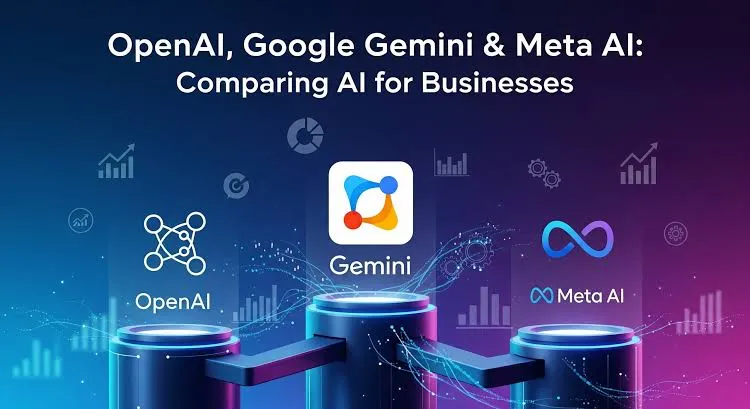

The artificial intelligence landscape is shifting from a gold rush of pure innovation into a strategic chess match of digital borders. For the past few years, tech giants have raced to build the most capable large language models, often allowing broad cross-platform integrations to maximize their user footprint. However, a major shift is underway.
Tech enthusiasts and daily users are noticing a tightening of the reins as Google limits Meta Gemini AI interactions across hardware and software ecosystems. This move directly signals a transition toward more enclosed, competitive AI environments, leaving consumers wondering how their favorite smart devices and apps will be affected.
Understanding these restrictions is essential for anyone relying on cross-platform digital tools. Following our recent look at the OpenAI slow roll release strategy, it is clear that the major players are moving away from completely open access. This article breaks down why Google is placing boundaries on Meta’s utilization of Gemini AI capabilities, how it impacts your daily tech ecosystem, and what it means for the future of interoperability.
What is the Google and Meta Gemini AI restriction? Google limits Meta Gemini AI by restricting how Meta’s hardware and software applications access or process data through Google’s proprietary LLM. This boundary protects proprietary data, secures ecosystem dominance, and forces users to utilize native applications for seamless AI-driven tasks.

What Is the AI Ecosystem Rivalry?
To understand why Google limits Meta Gemini AI capabilities, we first need to look at how these companies operate. Google Gemini is an advanced multimodal AI model capable of understanding text, code, audio, image, and video. Meta, on the other hand, develops cutting-edge hardware like the Meta Quest and Ray-Ban smart glasses, alongside social powerhouses like Instagram and WhatsApp.
Historically, developers utilized API integrations to bridge different platforms. However, as AI becomes the central operating system for modern technology, tech giants are building defensive walls around their intellectual property. When we say Google limits Meta Gemini AI, we are looking at specific API restrictions, data-sharing limitations, and software blocks designed to keep Google’s most powerful AI features exclusive to Android and Pixel devices.
Why This Strategic Move Matters
This development matters because it signals the end of the seamless, cross-platform AI dream. When major tech ecosystems stop cooperating, the end-user experiences the friction.
- Ecosystem Lock-In: Just as Apple built its “walled garden,” Google and Meta are drawing battle lines. If you want the full power of Gemini, you will increasingly need to stay within Google’s ecosystem.
- Data Privacy Boundaries: Passing massive amounts of user prompt data between a Google-hosted AI and a Meta-hosted app creates complex legal and privacy hurdles.
- Monetization Shifts: High-end AI processing costs millions of dollars daily. Google wants to ensure that its computing power drives revenue to its own hardware and subscription services rather than boosting a direct competitor’s platform.
Key Implications of the AI Restrictions
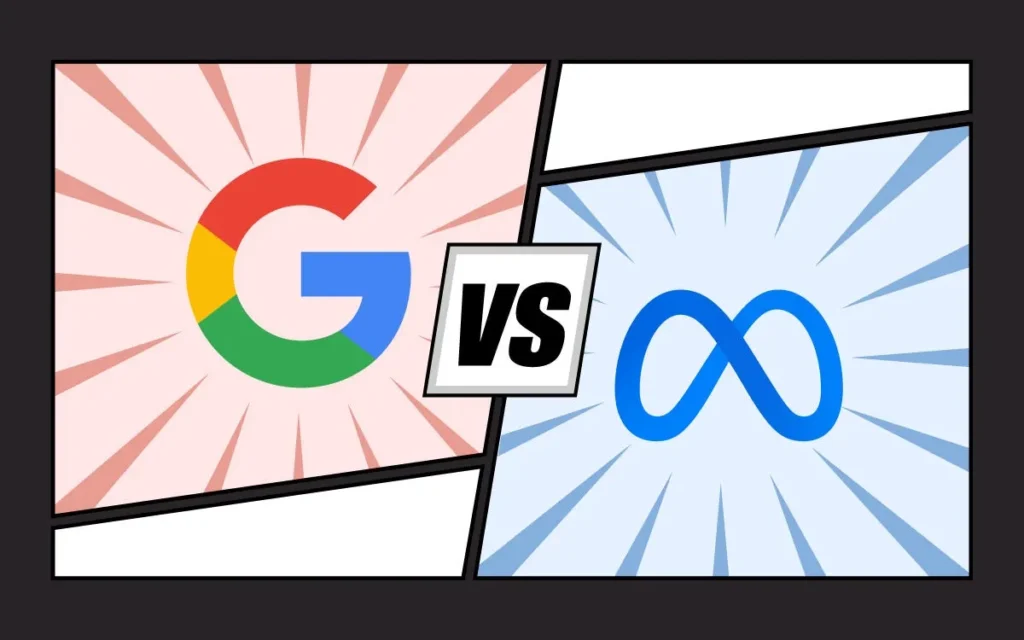
The decision to limit cross-platform functionalities creates a ripple effect across the tech industry. Here are the primary consequences of these new boundaries:
- Fragmented Smart Hardware: Users tracking real-time data on Meta smart glasses may experience degraded performance if those features rely on underlying Google search scripts or Gemini data nodes.
- Slower Cross-App Automations: Building custom workflows that link Google Workspace tools to Meta communication apps via Gemini AI APIs will face stricter rate limits and complex authentication processes.
- Accelerated Proprietary Development: Because Google limits Meta Gemini AI, Meta is heavily incentivized to accelerate the deployment of its own open-source models, like LLaMA, to remove all third-party dependencies.
How It Works: The Mechanics of AI Boundaries
The restriction of AI models doesn’t happen overnight; it is enforced through a series of technical checkpoints in software development:
1. API Rate Limiting and Deprecation
Google controls the access tokens required for external applications to ping the Gemini models. By lowering the number of requests permitted per minute from Meta-associated server clusters, Google can subtly degrade performance without a total blackout.
2. Context Window Controls
Google Can Limit the volume of tokens (data chunks) that a non-native application can send to Gemini in a single prompt. This prevents competitors from feeding massive amounts of user context into the model to generate highly tailored responses on rival platforms.
3. Data Integration Lockouts
Certain live data streams—such as real-time Google Maps data, YouTube search results, or live Flights information—are being restricted exclusively to native Google hardware, preventing Meta devices from serving as the primary interface for Google’s ecosystem knowledge.
Best Practices for Tech Users and Creators
Navigating these changing digital borders requires a flexible approach to the tools you use every day.
- Diversify Your AI Portfolio: Do not rely on a single AI ecosystem for your business workflows or content creation pipelines. Use Gemini for research and deep data synthesis, but keep local backups of your prompts and data structures.
- Optimize for Multi-Engine Search: If you are a digital marketer, optimize your content not just for Google AI Overviews, but also for Meta AI, ChatGPT, and Perplexity. Diversifying your search presence ensures you stay visible no matter which AI wins the ecosystem war.
- Leverage Native Apps for Native Tasks: Use Gemini directly within Google Workspace apps (Docs, Sheets, Gmail) to maximize efficiency, while using Meta’s native tools for social media management and ad copy creation.
Common Mistakes to Avoid
As these platform changes roll out, watch out for these frequent missteps:
The Single-Point-of-Failure Trap: Relying on third-party integration tools to force Gemini to talk to your Meta advertising dashboard. When API rules change without warning, your automated pipelines can break completely.
Ignoring Local AI Options: Many creators ignore open-source models because cloud setups seem easier. Failing to explore local or open-weights alternatives leaves your business vulnerable to corporate policy shifts.
Future Trends: What to Expect Next
Moving forward, expect the line between tech ecosystems to grow even sharper. Meta will likely counter by making its LLaMA models completely dominant in open-source spaces, embedding them deeply into hardware partnerships outside of Google’s reach.
Concurrently, search engines will become more protective of their data. We are entering an era of “AI Sovereignty,” where the value lies not just in the algorithm itself, but in the exclusive rights to the real-time data feeding it.
FAQs
Why does Google limit Meta Gemini AI integration?
Google implements these limits to protect its proprietary AI architecture, retain user data within its own ecosystem, and maintain a competitive advantage over Meta’s expanding hardware and software platforms.
Will this change affect my ability to use Gemini on Android?
No. Gemini remains deeply integrated into the Android and Pixel ecosystems. These limitations specifically target external, competing platforms and hardware developed by Meta.
Can Meta devices still access Google data?
Basic web search data remains accessible via standard browsing, but advanced, direct integrations with Gemini’s deep reasoning models and live proprietary data streams face strict limitations.
What alternative AI models does Meta use?
Meta primarily utilizes its own powerful, open-source LLaMA (Large Language Model Meta AI) ecosystem to power features across Instagram, WhatsApp, and its smart hardware line.
How does this affect AI voice search optimization?
As ecosystems split, creators must optimize content for multiple AI targets. Ensure your data structure is clean so that both Google’s Gemini and Meta’s LLaMA models can read and cite your content effectively.
Final Thoughts
As Google limits Meta Gemini AI, tech users are reminded that the platforms we rely on are businesses first. While open cross-compatibility is convenient for consumers, corporate strategies favor retention and proprietary dominance. Staying agile, adopting a multi-tool approach, and understanding the boundaries of your digital ecosystem will keep you ahead of the curve.
If you have questions about how these AI infrastructure shifts impact your digital marketing, content strategy, or business optimization, we want to help you navigate the transition. Feel free to explore our dedicated [AI Category Page] to stay updated on the latest tech changes, or reach out to our team directly through our Contact Us page to schedule a consultation.